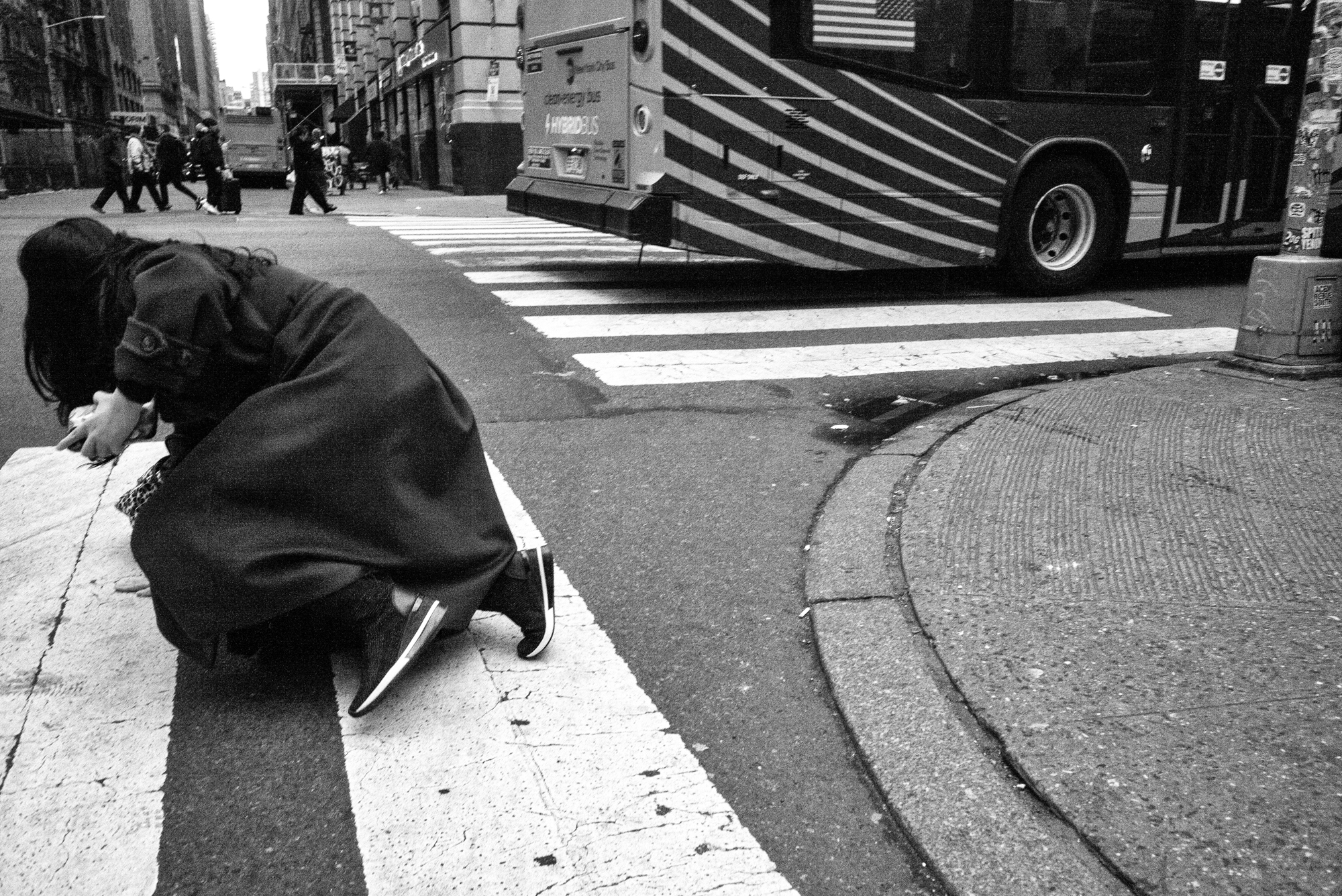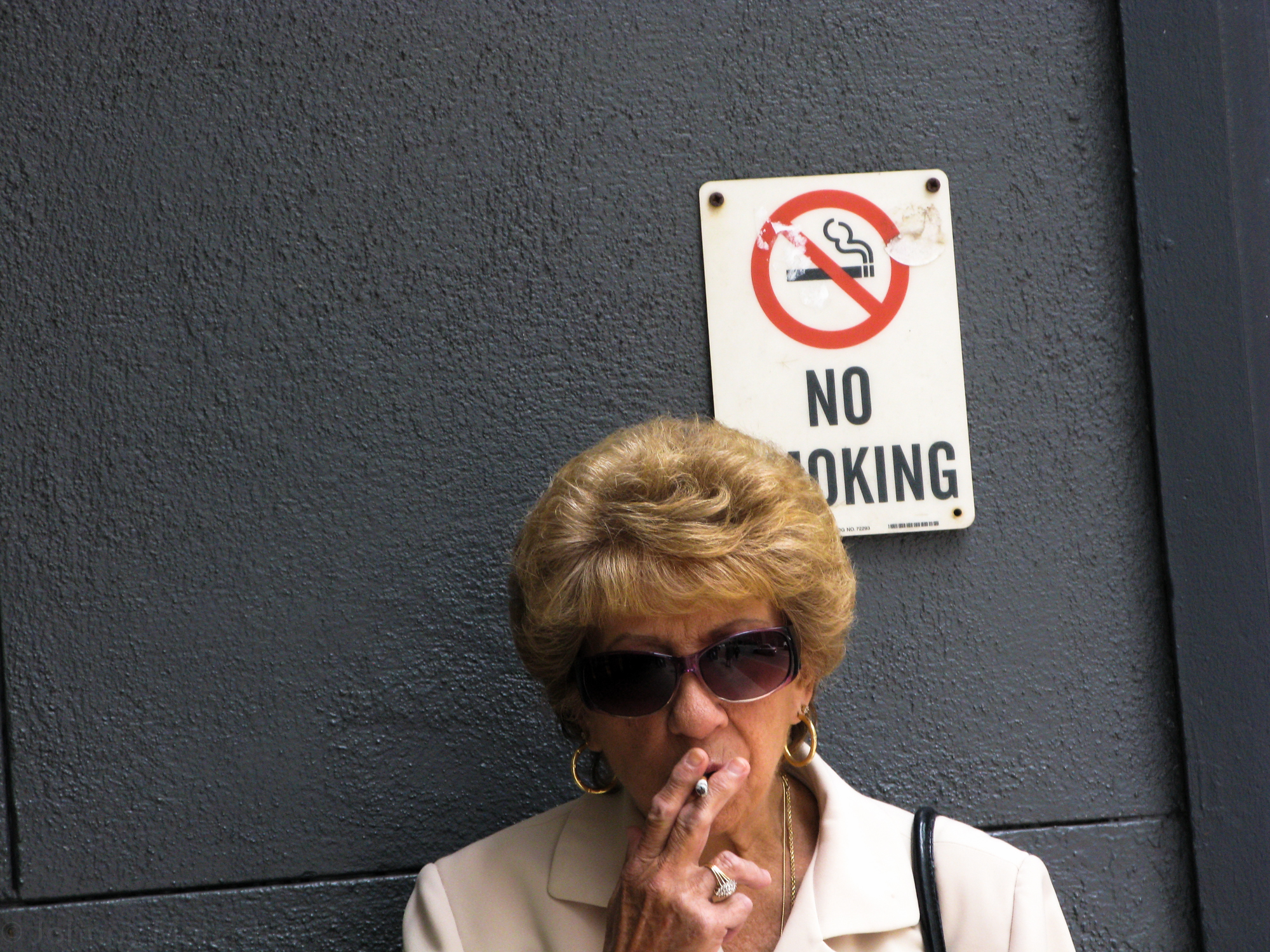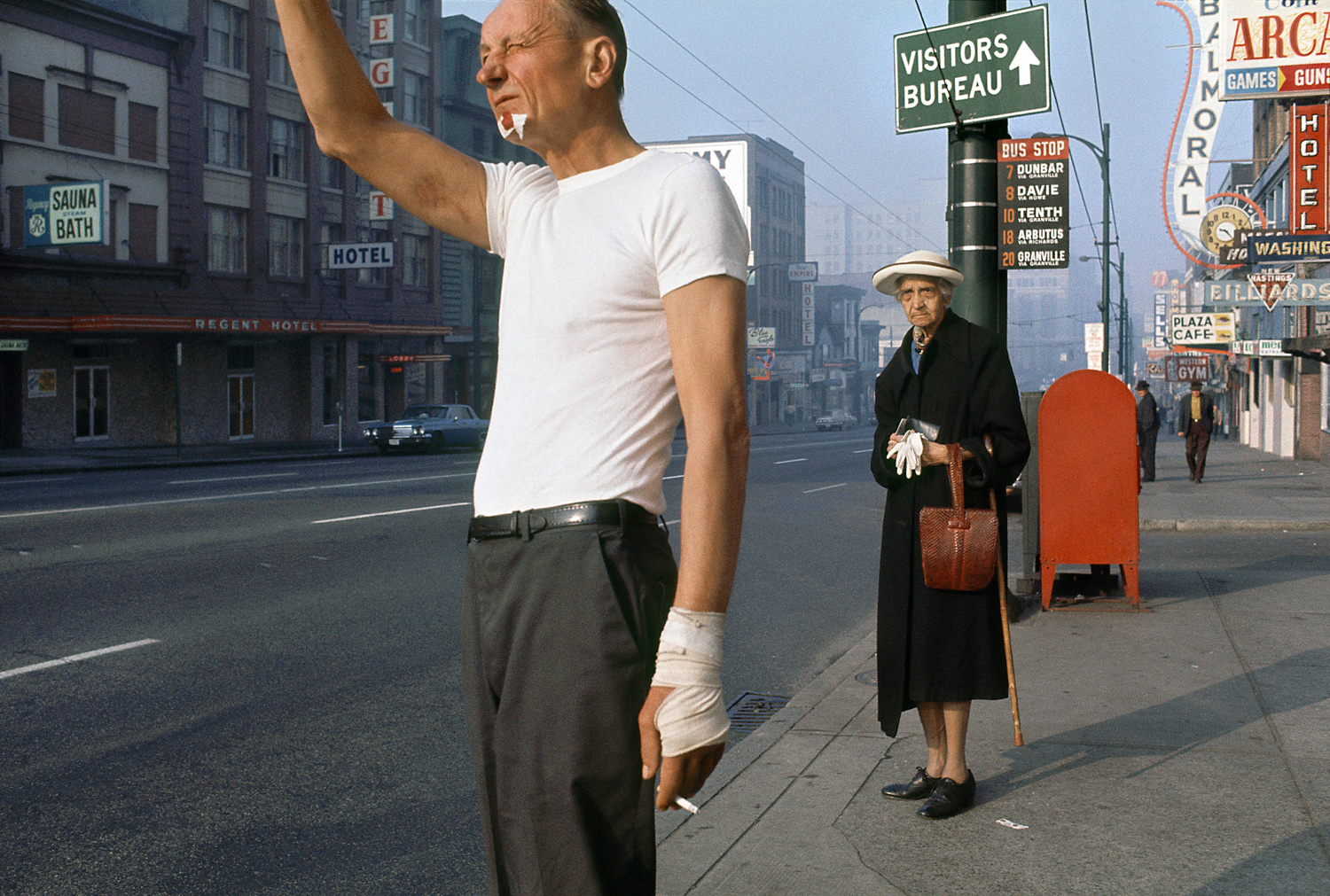
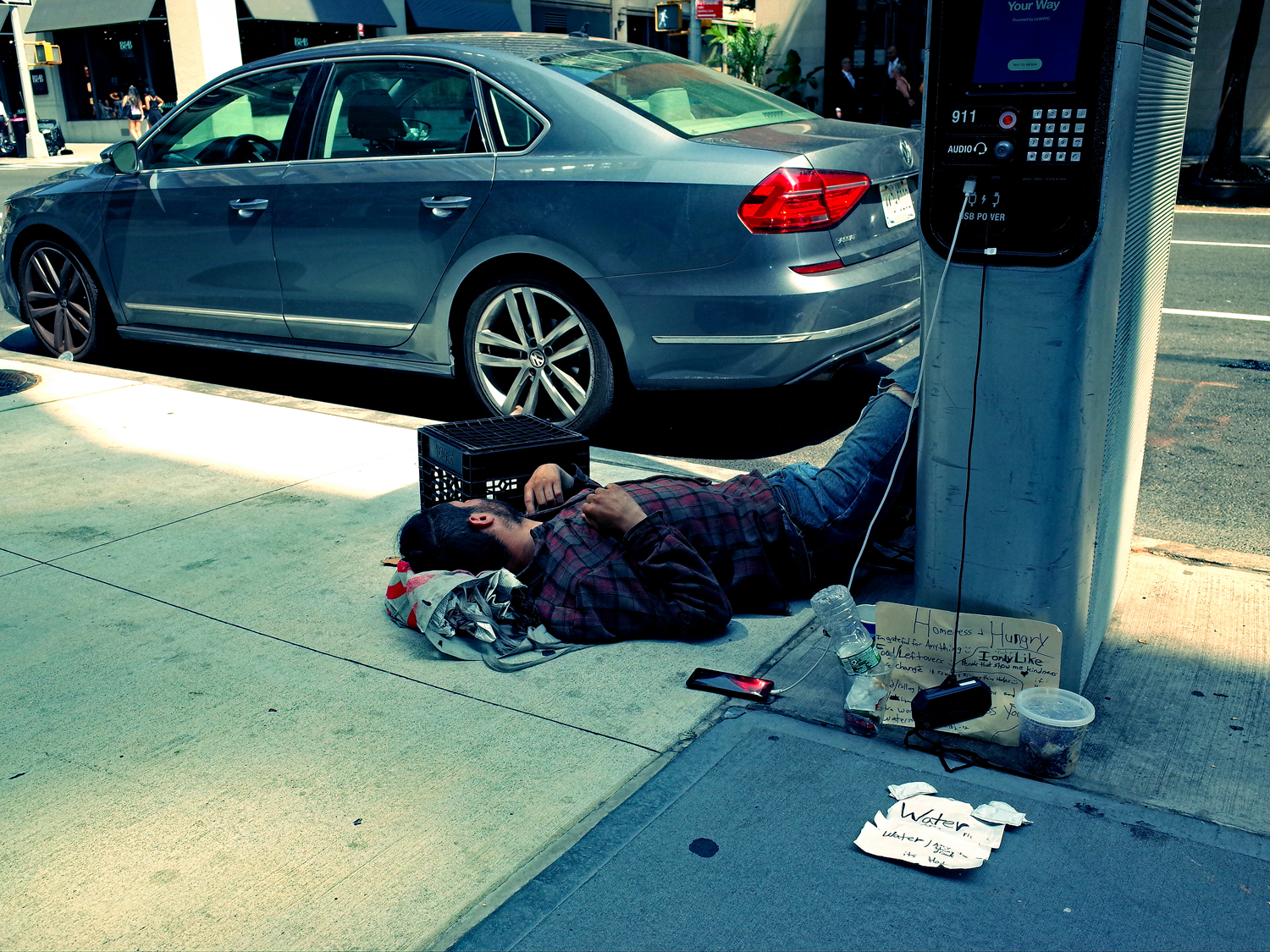
The labyrinthine streets, a canvas for fleeting moments, have long captivated the human eye. Within this vibrant theater of urban life, street photography emerges not merely as a collection of snapshots, but as a profound artistic endeavor where individual visions coalesce into cohesive bodies of work. This exploration delves into the concept of "conceptual continuity" within street photography, dissecting its essence, significance, and manifestation, drawing parallels to broader artistic and philosophical inquiries.
The genesis of this inquiry can be traced to Frank Zappa’s 1974 album, Apostrophe, and specifically the track "Stink-Foot." In a dialogue between a man and his dog, Fido, a pivotal question is posed: "What is Your Conceptual Continuity?" While Fido’s answer within the song’s narrative diverges, the question itself resonates deeply within creative disciplines. It prompts us to consider what binds a collection of works together, what underlying logic or thematic resonance allows them to transcend mere individual pieces and form a unified whole. For the street photographer, this question becomes paramount: do all street photographers possess a conceptual continuity? Is it a prerequisite for the genre? And crucially, does it truly matter?
Defining Conceptual Continuity
At its core, conceptual continuity refers to the logical and thematic coherence that underpins a body of work. It is the discernible thread that weaves through individual pieces, ensuring that each element builds upon the preceding ones, fostering a sense of progression and interconnectedness rather than fragmentation or dissonance. This consistency is not about the literal repetition of subjects or styles, but about the enduring presence of core ideas, concepts, or themes. These can manifest across different parts of a single work, or, more pertinently for street photography, across an entire oeuvre, even as the specific subjects, locations, and temporal contexts evolve. The viewer, when encountering a series of photographs united by conceptual continuity, should be able to perceive a consistent underlying thought process, a coherent visual language emanating from a singular perspective. It is the intellectual and emotional architecture that lends depth and resonance to a collection of images.
Conceptual Continuity in the Realm of Street Photography
In the dynamic and often unpredictable environment of street photography, conceptual continuity takes on a unique significance. It signifies the persistent underlying idea, a distinctive way of perceiving the world, or a specific visual logic that binds together a photographer’s diverse body of work. While the subjects captured—be they bustling cityscapes, intimate human interactions, or solitary figures against urban backdrops—may vary wildly in terms of location and moment, the conceptual thread remains. This continuity is not achieved by meticulously replicating the same scene or employing an identical photographic technique. Instead, it is forged through the unwavering commitment to a coherent photographic intent, a consistent exploration of particular themes or aesthetic principles.
A street photographer exhibiting strong conceptual continuity will produce images that, when viewed together, reveal a shared sensibility. This might manifest in a consistent focus on the interplay between light and shadow, a recurring fascination with the juxtaposition of the mundane and the extraordinary, or a deep engagement with the ephemeral nature of human connection. Even if one photograph is taken in the sprawling metropolises of New York and another in the ancient alleyways of Tokyo, the underlying conceptual framework will serve as a unifying force, allowing the viewer to recognize the singular vision behind both. The images, despite their disparate origins, will speak a common language, reflecting the photographer’s enduring perspective and artistic concerns.
The Multifaceted Nature of Conceptual Continuity
Conceptual continuity in street photography is not a monolithic concept; it can manifest in various forms. It is the consistent exploration of specific themes, such as:

- The Human Condition: A photographer might consistently document the myriad emotions and experiences of individuals navigating public spaces, focusing on themes of isolation, joy, resilience, or vulnerability.
- The Urban Landscape: The evolving architecture, the interplay of natural and man-made elements, or the sheer kinetic energy of city life can serve as a perpetual source of inspiration, leading to a body of work that captures the spirit of a place over time.
- Social Commentary: A photographer might use the street as a stage to highlight social inequalities, cultural shifts, or moments of quiet protest, consistently drawing attention to overlooked aspects of society.
- Abstract Qualities: The exploration of form, color, texture, and light, often found in unexpected juxtapositions on the street, can become a defining conceptual thread, leading to images that are both visually striking and intellectually stimulating.
- The Passage of Time: The ephemeral nature of moments, the aging of buildings, or the generational shifts within a community can be a powerful thematic driver, creating a visual chronicle of change.
The crucial element is that these explorations are not isolated incidents but are woven into the fabric of the photographer’s ongoing practice, forming a cohesive narrative or a persistent inquiry.
What Conceptual Continuity is Not
It is equally important to delineate what conceptual continuity is not. It is not:
- A Fixed Style: While a recognizable style can emerge and often supports continuity, it is not the sole determinant. A photographer might experiment with different approaches to composition, lighting, or even film stock over time, yet maintain a strong conceptual thread.
- A Repetitive Subject Matter: Conceptual continuity does not necessitate the constant photographing of the same object, person, or situation. The strength lies in the thematic consistency, not in the literal replication of motifs.
- A Predetermined Plan: While some photographers may consciously develop conceptual frameworks, for many, conceptual continuity emerges organically through years of dedicated practice and a deep, often intuitive, engagement with their chosen subject.
- A Singular Location: As mentioned, the universality of human experience and the commonalities of urban life allow for conceptual continuity to transcend geographical boundaries.
These elements can certainly contribute to a sense of continuity, but they are not the generative force in themselves. The underlying idea, the persistent question, or the unwavering perspective is what truly binds the work.
Visual Manifestations of Conceptual Continuity
Conceptual continuity often reveals itself through a confluence of visual elements:
- Recurring Motifs or Symbolism: A photographer might consistently capture certain types of gestures, objects, or environmental elements that carry symbolic weight within their personal visual language.
- Consistent Lighting or Mood: The way a photographer utilizes natural light, artificial illumination, or creates a particular atmospheric quality can become a signature element.
- Compositional Tendencies: While not rigid, a photographer might exhibit a preference for certain framing techniques, vantage points, or arrangements of elements within the frame.
- Color Palette: A deliberate use of color, or a consistent approach to black and white conversion, can contribute to a cohesive visual identity.
- Thematic Resonance: Even without overt visual cues, the underlying themes explored in the photographs will create a palpable sense of connection.
The Enduring Significance of Conceptual Continuity
The importance of conceptual continuity in street photography is multifaceted, impacting both the creator and the viewer:
For the Photographer: A Framework for Growth and Depth
- Artistic Development: Conceptual continuity provides a guiding framework for a photographer’s artistic journey. It encourages a deeper engagement with recurring themes, pushing the photographer to explore nuances and complexities over time. This sustained inquiry can lead to a more profound and sophisticated body of work.
- Personal Expression: It allows for the authentic expression of a photographer’s worldview, their obsessions, and their unique way of interpreting reality. The body of work becomes a testament to their evolving perspective and their ongoing dialogue with the world.
- Recognition and Legacy: A strong conceptual continuity helps establish a photographer’s distinct voice and identity. This makes their work more recognizable and memorable, contributing to their legacy. When viewers can intuitively identify the hand behind an image, it speaks to the power of their conceptual continuity.
For the Viewer: A Journey of Discovery and Connection
- Deeper Engagement: Conceptual continuity invites the viewer into a sustained conversation with the photographer’s vision. It encourages contemplation and analysis, transforming the act of viewing into a journey of discovery.
- Understanding of Intent: It allows viewers to grasp the photographer’s underlying intent and purpose, moving beyond a superficial appreciation of individual images to a deeper understanding of the artist’s overarching message or exploration.
- Sense of Cohesion: For collections of work, whether exhibited in a gallery or presented online, conceptual continuity provides a vital sense of cohesion, preventing the viewer from feeling overwhelmed or disconnected.
Conceptual Continuity as an Invisible Thread
In essence, conceptual continuity is the invisible thread that connects a street photographer’s images, forming an ongoing conversation with the street itself. A dedicated street photographer, venturing out daily in pursuit of harmonious chaos, embarking on a journey of discovery, and embracing the serendipitous nature of urban encounters, may amass a collection of photographs that appear disparate at first glance. However, over years of consistent practice, these individual shots coalesce into distinct narrative arcs, each contributing to a larger, overarching conceptual continuity.
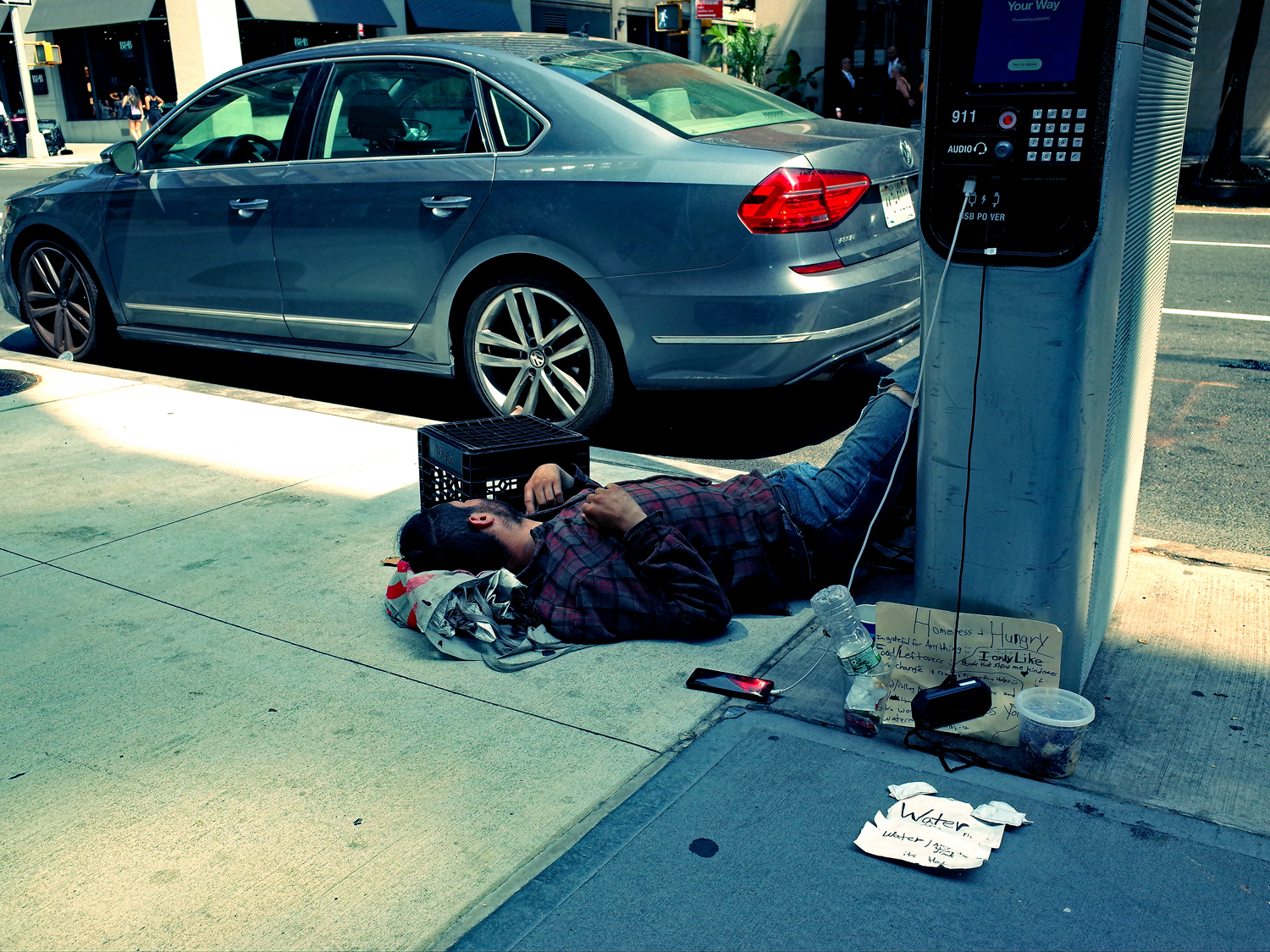
Each photograph, therefore, becomes a vital link in an ever-lengthening chain, building a cumulative narrative. At the end of this chain, an unfolding, unending story reveals itself, a testament to the photographer’s persistent vision. The conceptual continuity of a street photographer is not merely a collection of images; it is a mirror reflecting their character, their personality, and ultimately, the evolving landscape of their mind across different periods of their life.
The Guiding Signal of Recognition
Conceptual continuity serves as a powerful clue, a guiding signal that allows us to recognize the distinct voice of a photographer. When encountering an image for the first time, we might intuitively ask: "Who took this? Who does it remind me of?" The ability to associate an image with a particular artist, even without prior exposure to that specific photograph, is a testament to the strength of their conceptual continuity.
This phenomenon is akin to recognizing the distinct styles of iconic artists across various disciplines. One might look at a painting and immediately identify it as a Picasso, or read a passage of prose and attribute it to Ernest Hemingway. Similarly, a street photograph might evoke the unmistakable sensibility of Vivian Maier, the bold urban grit of Bruce Gilden, the poignant humanism of Elliot Erwitt, or the painterly compositions of Saul Leiter. The recognition is rooted in the consistent thematic preoccupations, the recurring visual language, or the unique perspective that defines their conceptual continuity.
Just as music aficionados can distinguish between the sonic landscapes of Zappa and Led Zeppelin, so too can those immersed in street photography develop an intuitive understanding of a photographer’s unique conceptual fingerprint. This intuitive recognition is not accidental; it is the direct result of a sustained and coherent artistic vision, a testament to the power of conceptual continuity to forge a lasting artistic identity.
The Evolving Dialogue
The concept of conceptual continuity in street photography is not a static prescription but a dynamic and evolving aspect of artistic practice. As photographers mature, as their life experiences broaden, and as the world around them transforms, their conceptual frameworks may also shift and deepen. This evolution is not a departure from continuity but rather a testament to its resilience and adaptability. The underlying commitment to exploring certain truths or questions about the human experience or the urban environment may remain, even as the outward manifestations of their work change.
Ultimately, the exploration of conceptual continuity in street photography offers a profound insight into the nature of artistic creation. It underscores the idea that true artistry lies not just in the capture of individual moments, but in the ability to weave these moments into a coherent and meaningful tapestry, a testament to a singular vision that endures and evolves through time. The street photographer, armed with their camera and their unique perspective, becomes a storyteller, their body of work a testament to their ongoing conceptual dialogue with the ever-changing world.