
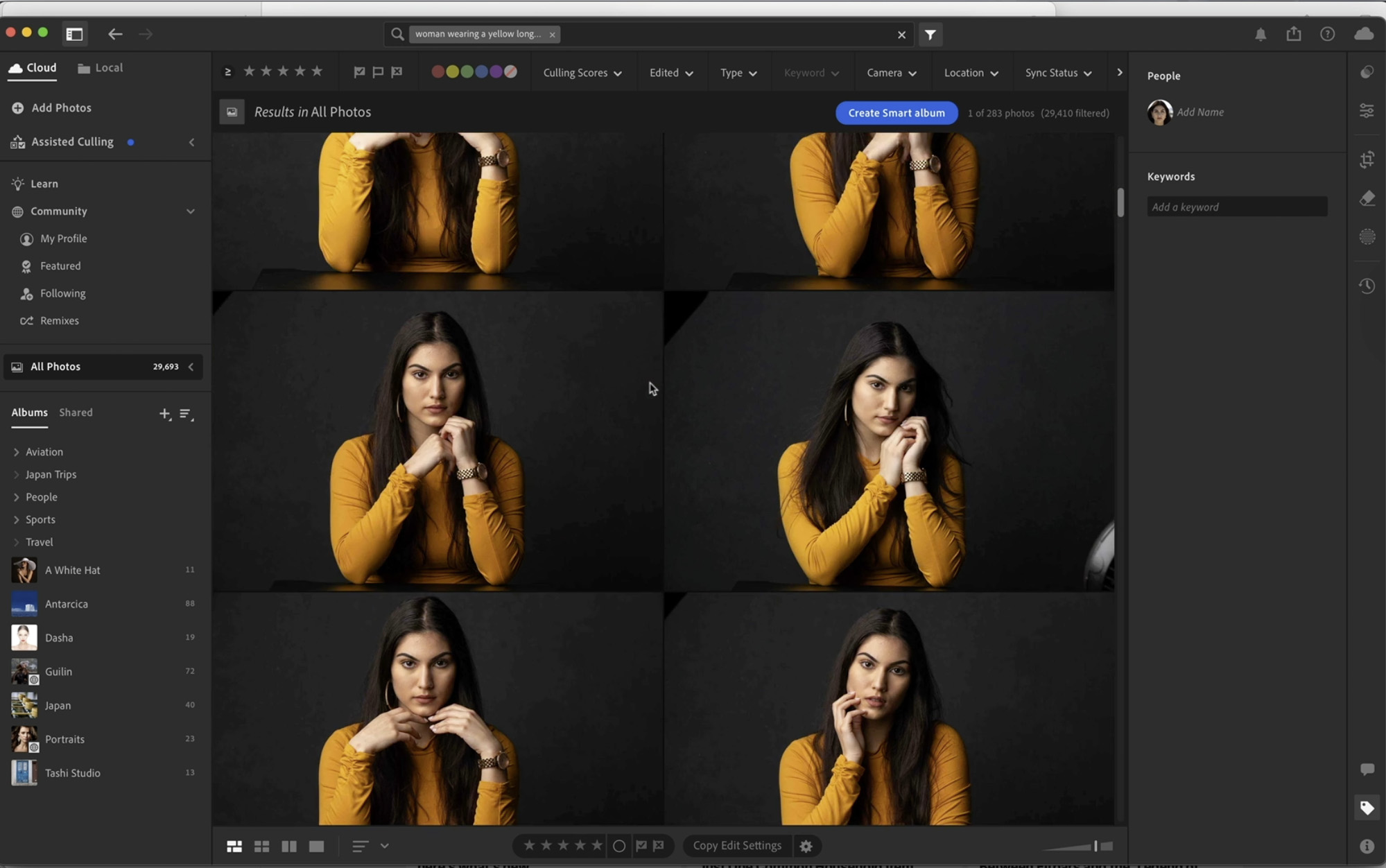
A significant development in digital asset management for photographers has been unveiled, with Adobe granting a select preview of an unreleased Lightroom feature poised to revolutionize image organization. The announcement, disseminated by prominent photography educator Scott Kelby on February 24, 2026, highlights a forthcoming tool described as a "game-changer" for users who find traditional keywording cumbersome but demand swift access to their vast image libraries. This "next-level stuff," as Kelby characterized it, signals Adobe’s continued investment in artificial intelligence and machine learning to address long-standing workflow challenges within the photographic community. The initial reveal, presented through a dedicated YouTube video, offers a tantalizing glimpse into what could become an indispensable component of the Lightroom ecosystem, aiming to streamline a process historically viewed as tedious and time-consuming.
Unveiling a New Era in Photo Management
The core of the announcement centers on a feature designed to circumvent the manual burden of keywording, a task that, despite its critical importance for image discoverability, often becomes a significant bottleneck in a photographer’s workflow. Scott Kelby, a respected voice and long-time Adobe collaborator, positioned this innovation as a direct solution for a pervasive pain point. His statement underscores the feature’s potential to dramatically accelerate the process of locating specific images within extensive archives, suggesting a departure from conventional metadata tagging towards a more intuitive and automated retrieval system. The term "game-changer" implies not merely an incremental improvement but a fundamental shift in how photographers interact with and manage their digital assets, promising a future where desired images are accessible with unprecedented speed and minimal preparatory effort. The anticipation surrounding this unreleased tool is palpable, particularly among professional photographers and serious enthusiasts who manage tens of thousands, if not hundreds of thousands, of images.
The Persistent Challenge of Keywording
For decades, keywording has been the bedrock of efficient digital asset management (DAM) for photographers. It involves attaching descriptive tags, categories, and identifiers to images, enabling users to search, filter, and organize their collections based on content, context, and theme. While conceptually simple, the practical application of keywording is fraught with challenges that often deter even the most disciplined photographers.
The Digital Deluge and Workflow Bottlenecks
The sheer volume of digital photographs captured globally each year has escalated dramatically. With advancements in camera technology, including high-resolution sensors and rapid burst modes, photographers routinely generate thousands of images per shoot. A professional wedding photographer might capture upwards of 5,000 to 10,000 images in a single event. Photojournalists, commercial photographers, and stock photographers accumulate even larger archives over time. Manually assigning relevant keywords to each of these images is an extraordinarily time-intensive process. It demands meticulous attention to detail, consistent terminology, and often, a subjective interpretation of content, leading to inconsistencies and omissions.
This manual effort consumes valuable time that could otherwise be dedicated to shooting, editing, client interaction, or business development. Studies and informal surveys within the photography community consistently highlight time management as a primary challenge, with administrative tasks like keywording frequently cited as a major drain on efficiency. The reluctance to keyword thoroughly often results in "lost" images within vast libraries—pictures that exist but cannot be easily retrieved without laborious manual browsing, undermining the very purpose of an organized archive. Existing tools within Lightroom and other DAM software offer keyword suggestions and batch processing, but these still rely heavily on initial manual input and human oversight, failing to fully automate the intelligent content analysis that many users crave.
A Glimpse into "Next-Level" Capabilities
While the full technical specifications of the new Lightroom feature remain under wraps, Scott Kelby’s description provides strong indications of its underlying capabilities. The promise to alleviate keywording drudgery while enabling fast image retrieval points squarely towards advanced artificial intelligence and machine learning algorithms, specifically in the realm of computer vision and natural language processing.
Potential Mechanisms and User Experience
It is highly probable that the feature leverages sophisticated AI models to automatically analyze the visual content of images. This could include:

- Object Recognition: Identifying specific objects (e.g., "dog," "car," "mountain," "flower") within an image.
- Scene Detection: Categorizing the environment or setting (e.g., "beach," "cityscape," "indoor portrait," "forest").
- Attribute Recognition: Detecting abstract qualities or actions (e.g., "happy," "running," "sunset," "low light").
- Semantic Understanding: Moving beyond mere object identification to understand the context and relationships between elements, allowing for more complex queries (e.g., "child playing with a red ball in a park").
- Facial Recognition and Emotion Analysis: While existing Lightroom versions have basic facial recognition, this new feature could offer more nuanced identification and even infer emotions, subject to user consent and privacy regulations.
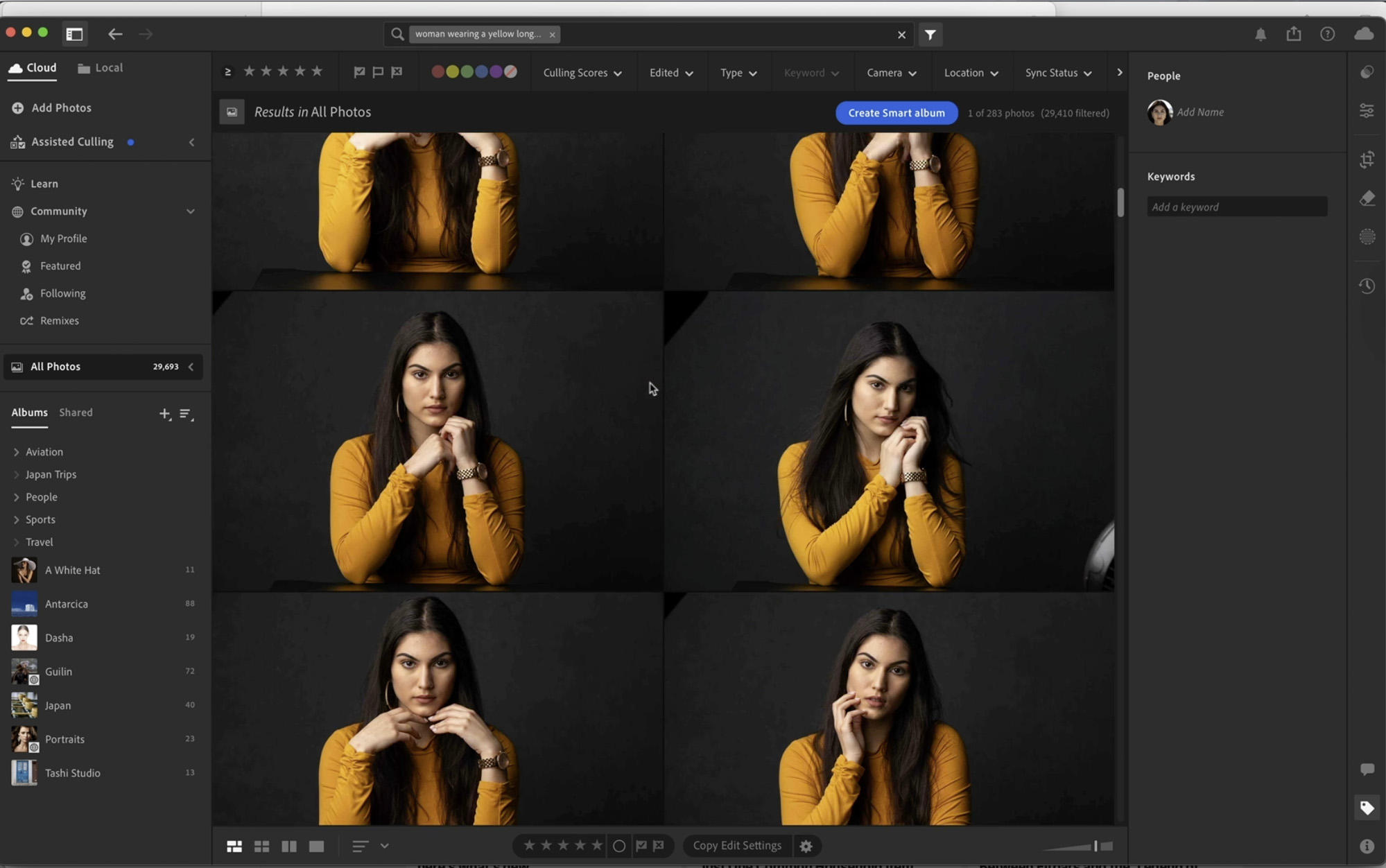
The user experience would likely involve an intelligent search bar or a dedicated panel within Lightroom where users can type natural language queries. Instead of relying on pre-assigned keywords, the system would process the query and scour the image library based on its AI-driven understanding of the visual content. For instance, a photographer could type "photos of a bride smiling with her father during golden hour" and expect highly relevant results, even if those specific keywords were never manually applied. The "sneak peek" suggests a system that not only suggests keywords but actively understands the visual narrative of an image, offering a level of intelligence far beyond current capabilities. This represents a significant leap from merely tagging images to truly understanding their content, effectively turning every pixel into searchable data.
Adobe’s Strategic Embrace of Artificial Intelligence
The introduction of such an advanced AI-driven feature in Lightroom aligns perfectly with Adobe’s broader strategic direction, which has seen a pervasive integration of artificial intelligence and machine learning across its Creative Cloud suite. Adobe’s commitment to AI, often branded as "Adobe Sensei," has been a cornerstone of its innovation strategy for several years.
Precedent Set by Creative Cloud Innovations
Numerous examples across the Creative Cloud demonstrate Adobe’s successful deployment of AI to enhance user workflows and unlock new creative possibilities:
- Photoshop: Features like Generative Fill, powered by Adobe Firefly, allow users to add, extend, or remove content from images using simple text prompts. Content-Aware Fill intelligently fills selections with surrounding content. Neural Filters provide AI-powered enhancements for portraits, landscape, and creative effects.
- Premiere Pro: AI-powered tools assist with transcription, audio clean-up, and automatic reformatting for different aspect ratios.
- Illustrator: Text-to-vector graphic capabilities leverage AI for rapid design iteration.
- Lightroom Classic/Lightroom: Existing AI features include Super Resolution for enhancing image detail, Denoise for reducing image grain, and the intelligent masking tools that automatically select subjects, skies, or specific objects within an image. These features have already demonstrated the power of AI to automate complex tasks and deliver superior results.
This consistent integration of AI across its product line underscores Adobe’s intent to empower creators with intelligent tools that reduce manual effort and accelerate the creative process. The new Lightroom feature is a logical extension of this philosophy, applying sophisticated AI to one of the most persistent and time-consuming administrative tasks in photography. It reaffirms Adobe’s position as a leader in leveraging cutting-edge technology to meet the evolving needs of its user base. Furthermore, this move positions Lightroom to potentially differentiate itself further in a competitive landscape that includes other robust digital asset management solutions like Capture One, Photo Mechanic, and various standalone AI-powered tagging services.

The Road Ahead: Timeline and Anticipation
The nature of the announcement as a "sneak peek" on February 24, 2026, implies that the feature is still in development and not immediately available to the public. However, Kelby’s assurance that it’s "coming to a Lightroom near you" suggests that its release is imminent, likely within the next major update cycle for Adobe’s photography applications. Adobe typically releases significant updates coinciding with major industry events such as Adobe MAX (usually in October) or smaller, feature-rich updates in the spring or summer. Given the advanced nature of the technology, it is plausible that Adobe might engage in a public beta testing phase to gather user feedback and refine the algorithms before a full rollout. This approach allows Adobe to fine-tune the feature’s accuracy, performance, and user interface based on real-world usage scenarios.
Community Reception and Expert Commentary
The initial reaction from the photography community is expected to be a mix of excitement, anticipation, and potentially, some cautious skepticism. Scott Kelby’s endorsement, given his stature and direct access to Adobe’s development teams, lends significant credibility to the feature’s potential. His enthusiastic description as a "game-changer" will undoubtedly fuel widespread discussion and speculation among photographers.
- Positive Reception: Many photographers, particularly those with vast archives or those who actively avoid manual keywording, will likely welcome the feature with open arms. The promise of significant time savings and improved discoverability addresses a core pain point.
- Questions and Concerns: Inevitably, questions will arise regarding the feature’s accuracy, especially for niche subjects or complex scenes. Concerns about data privacy, particularly if images are processed in the cloud for AI analysis, are also likely to surface. Photographers may also inquire about the potential impact on system performance, the learning curve, and whether the feature will be included in existing Creative Cloud subscriptions or offered as an additional service.
- Expert Commentary: Industry analysts and photography technology reviewers will closely scrutinize the feature upon release, evaluating its practical utility, performance, and impact on the broader DAM landscape. Their objective assessments will be crucial in shaping the community’s long-term perception and adoption of the new tool.
Adobe’s strategy of offering a "sneak peek" through an influential figure like Scott Kelby is a deliberate move to build anticipation, generate buzz, and prepare the user base for a significant update, while also allowing for an early gauge of community interest and potential feedback points.
Broader Implications for Photographers and the Industry
The introduction of an advanced AI-driven keywording and search feature in Lightroom carries profound implications, not only for individual photographers but for the entire digital imaging industry.

Efficiency, Creativity, and Evolving Skillsets
The most immediate and significant impact will be on workflow efficiency. By automating a historically laborious task, photographers will regain countless hours, allowing them to allocate more time to creative pursuits such as shooting, post-processing, learning new techniques, or even business development and client engagement. This shift could lead to a revitalization of creativity, as less time spent on administrative chores translates directly into more time for artistic expression and skill refinement.
For professionals, especially those in high-volume sectors like event photography, photojournalism, and stock photography, the ability to quickly locate specific images could translate into tangible economic benefits through faster delivery times, improved client satisfaction, and enhanced profitability. For casual photographers and hobbyists, the feature could democratize advanced image management, making their personal archives more accessible and enjoyable.
This technological leap may also prompt an evolution in photographer skillsets. While manual keywording might diminish in importance, new skills related to refining AI suggestions, formulating effective natural language queries, and understanding the nuances of AI-driven content analysis might emerge. Photographers may transition from being data entry operators to strategic curators, leveraging AI as a powerful assistant.
Data Considerations and Future Development
The widespread adoption of AI in photo management also brings to the forefront critical considerations regarding data privacy and security. Users will need assurances from Adobe about how their image data is handled, particularly if cloud-based AI processing is involved. Transparency regarding data usage, anonymization, and adherence to global privacy regulations (like GDPR) will be paramount for widespread trust and adoption.

Looking ahead, this feature could lay the groundwork for even more sophisticated AI integrations within Lightroom. Future developments might include:
- Proactive Suggestions: AI could proactively suggest images for portfolios, social media, or specific client projects based on past usage patterns and preferences.
- Automated Curation: The system could potentially identify the "best" images from a shoot based on technical quality, composition, and perceived emotional impact.
- Enhanced Interoperability: The intelligent metadata generated could improve cross-application functionality within the Creative Cloud, making assets even more discoverable across Photoshop, Premiere Pro, and other tools.
In conclusion, Scott Kelby’s sneak peek of the unreleased Lightroom feature represents a pivotal moment in the evolution of digital asset management for photographers. By addressing the persistent challenge of keywording with "next-level" artificial intelligence, Adobe is poised to deliver a tool that promises to dramatically enhance workflow efficiency, foster creativity, and redefine how photographers interact with their digital image libraries. As the photography world eagerly awaits its official release, the anticipation surrounding this "game-changer" underscores the profound impact that intelligent automation can have on the creative industries.