

The American Society of Cinematographers (ASC) last night celebrated the pinnacle of visual storytelling, bestowing its most prestigious accolade, the Theatrical Feature Film award, upon Michael Bauman for his exceptional work on Paul Thomas Anderson’s critically acclaimed film, ‘One Battle After Another.’ This momentous win at the 40th annual ASC Awards not only marks Bauman’s first victory and nomination in this coveted category but also underscores a significant industry conversation around the resurgence of classic film formats, specifically VistaVision, which was employed with striking effect in the award-winning feature.
A Milestone Achievement for Bauman
Michael Bauman’s triumph is a testament to a career marked by meticulous craftsmanship and a steadfast ascent through the ranks of film production. Before his celebrated turn as a feature film cinematographer, Bauman honed his skills over an extensive period within the camera and electrical departments, building a foundational understanding of the technical and artistic demands of visual capture. His transition into cinematography saw him primarily lend his expertise to high-profile television series, where his contributions shaped the distinct aesthetics of shows such as ‘American Horror Stories,’ known for its bold and often stylized visuals; ‘Feud,’ recognized for its period authenticity and dramatic flair; and ‘Monster,’ which likely presented unique challenges in capturing its narrative intensity.

The collaboration with acclaimed director Paul Thomas Anderson has been a pivotal chapter in Bauman’s career. Their partnership blossomed through various roles, with Bauman initially serving as a gaffer and then a lighting cameraman for Anderson’s projects. This deep-seated understanding of Anderson’s directorial vision culminated in Bauman’s role as co-director of photography for the 2021 film ‘Licorice Pizza,’ a project that garnered significant critical attention for its evocative period visuals. ‘One Battle After Another’ represents the pinnacle of this creative partnership, with Bauman taking the lead as cinematographer. His talent was recognized across multiple platforms this year, as he also secured a nomination in the Limited/Anthology/Motion Picture Made for TV category for his work on ‘Monster,’ though that particular honor was ultimately claimed by Pete Konczal for ‘Black Rabbit.’ This dual recognition highlights Bauman’s versatility and widespread impact across different cinematic mediums.
The Enduring Legacy of the ASC Awards
The American Society of Cinematographers, founded in 1919, stands as the world’s oldest continuously operating motion picture society. Its mission has always been to advance the art and science of cinematography, fostering creative fellowship among its members and upholding the highest standards of the craft. The annual ASC Awards, now in its 40th iteration, serves as the premier platform for recognizing outstanding achievement in cinematography across film and television. Unlike many other industry accolades, the ASC Awards are peer-judged, lending them an exceptional degree of prestige and respect within the filmmaking community. A win at the ASC Awards is often considered a strong indicator, if not a direct precursor, to an Academy Award nomination for Best Cinematography, cementing its status as a critical benchmark for excellence.
Over four decades, the awards have celebrated legendary figures and emerging talents alike, chronicling the evolution of visual storytelling. From groundbreaking technical innovations to breathtaking artistic interpretations, the cinematographers honored by the ASC have consistently pushed the boundaries of what is possible with light, shadow, and frame. This year’s ceremony, supported by sponsors like RED, continued this proud tradition, shining a spotlight on the intricate artistry that often goes unseen by the general public but is fundamental to the immersive experience of cinema. The event itself, typically a gathering of industry luminaries, serves as a vital forum for celebrating technical mastery and artistic vision, reinforcing the collaborative spirit inherent in filmmaking.

‘One Battle After Another’ and the VistaVision Revival
Beyond the personal triumph for Michael Bauman, his award for ‘One Battle After Another’ also brings significant attention to the film’s distinctive production methodology, particularly its use of VistaVision. This specialized, high-resolution, widescreen variant of traditional 35mm motion picture film was originally developed by Paramount engineers in 1954. Its unique horizontal film travel through the camera, as opposed to the standard vertical, allows for a significantly larger negative area per frame, resulting in images with unparalleled detail and clarity.
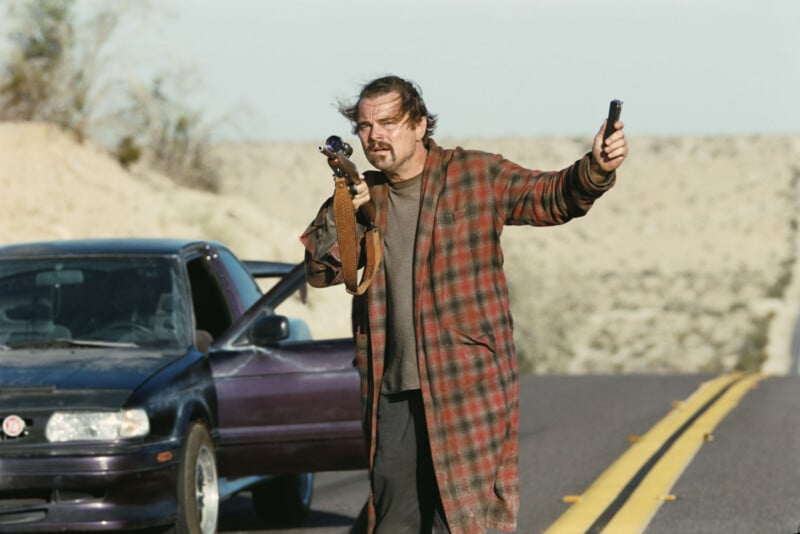
The choice to film ‘One Battle After Another’ in VistaVision was a deliberate artistic decision by Paul Thomas Anderson and Michael Bauman, deeply rooted in their shared aesthetic vision. As Bauman himself noted to Kodak, "I think this movie is such a big canvas [for VistaVision]." The epic scope of the narrative, reportedly inspired by Thomas Pynchon’s sprawling novel ‘Vineland,’ presented an ideal opportunity to leverage VistaVision’s inherent capabilities. Kodak, a long-time proponent of film, elaborated on these benefits, explaining that "the format (created by Paramount in the ‘50s and the forerunner of IMAX) was perfectly suited to the scope and energy of ‘One Battle.’ The epic landscapes and thrilling car chases definitely benefited from the larger negative area, higher resolution, sharper depth of field, and reduced grain. These became indelible and immersive images in the 1.50:1 frame." The resulting visuals, characterized by their immense detail and cinematic texture, undoubtedly played a crucial role in the film’s critical reception and Bauman’s award-winning cinematography. The film’s aesthetic is a powerful argument for the continued relevance of analog film in an increasingly digital landscape.
A Broader Industry Trend: VistaVision’s Resurgence

The use of VistaVision in ‘One Battle After Another’ is not an isolated incident but rather indicative of a broader, intriguing trend emerging in Hollywood. This classic format is experiencing something of a renaissance, driven by filmmakers seeking a distinct visual texture and resolution that harks back to cinema’s golden age. This resurgence gained significant traction with Brady Corbet’s 2024 film, ‘The Brutalist,’ which also utilized VistaVision and went on to win three Academy Awards in 2025, including the coveted Best Picture Oscar. Cinematographer Lol Crawley was notably nominated for the 2025 ASC Award for Outstanding Achievement in Cinematography in a Theatrical Feature Film for his work on ‘The Brutalist,’ further solidifying VistaVision’s renewed credibility among industry peers.
This renewed interest in analog film formats like VistaVision reflects a growing desire among certain filmmakers and audiences for a tactile, organic quality in their cinematic experience. In an era dominated by digital acquisition, the unique characteristics of film—its grain structure, dynamic range, and color rendition—offer a distinctive aesthetic that many believe adds a timeless quality to storytelling. Paul Thomas Anderson, a known advocate for shooting on film, has consistently championed this approach, as Bauman elaborated, "We’ve had this aesthetic conversation since ‘Phantom Thread’ that it has to have texture to it, it’s got to look like a movie, and so he was pretty adamant about it." This statement underscores a philosophical stance within a segment of the filmmaking community that values the inherent "look" of film as integral to the art form, pushing against the perceived sterility or overly pristine nature of some digital productions. The success of films like ‘The Brutalist’ and ‘One Battle After Another’ suggests that this artistic preference is resonating powerfully with both critics and audiences, potentially paving the way for more widespread adoption of these revered formats.
The Journey to Filming: Acquiring a Vintage Camera
The decision to shoot ‘One Battle After Another’ on VistaVision presented unique logistical challenges, primarily centered around acquiring the necessary equipment. Given VistaVision’s historical roots and its relatively niche use over the decades, cameras capable of shooting in this format are rare and often require specialized handling. The solution came through an unexpected source: actor-turned-cinematographer Giovanni Ribisi, known for his work on ‘Strange Darling,’ who happens to be a collector of vintage film equipment.
Bauman recounted the intriguing story of how they secured a vintage Beaumont VistaVision camera from Ribisi. "He’s a collector of all sorts of stuff and he had this one that was in great condition," Bauman explained. The acquisition, however, wasn’t without its humorous initial reservations. Bauman recalled Anderson’s initial apprehension during a test at Panavision, where the director likened the idea of using such a pristine vintage piece for a demanding shoot to "taking your beautifully restored 1957 Chevy out and running it around through the mud." Yet, Ribisi, with the pragmatic wisdom of a filmmaker, offered a reassuring perspective: "This is not a precious artifact, this is for making movies. So please take it and go make a great movie." This endorsement was crucial, validating the artistic pursuit over the preservation of an artifact.
Following the acquisition, a dedicated team at Panavision undertook the meticulous task of upgrading the vintage camera to meet the demands of a contemporary feature film production. This included integrating new parts and, notably, engineering a specialized handheld, stabilized head utilizing components typically found in aerial photography cameras. Such modifications were essential to ensure the camera could deliver the flexibility, stability, and ruggedness required for capturing the dynamic sequences envisioned for ‘One Battle After Another,’ including its aforementioned "thrilling car chases" and "epic landscapes." This blend of historical technology and modern innovation exemplifies the dedication to craft that defined the film’s visual approach.
The Collaborative Vision of Anderson and Bauman
The success of ‘One Battle After Another’ and Bauman’s ASC win are deeply intertwined with his enduring and evolving collaboration with Paul Thomas Anderson. Their partnership is a prime example of a director and cinematographer developing a profound creative shorthand and shared artistic language over many projects. Bauman’s journey from gaffer to lighting cameraman, then to co-director of photography on ‘Licorice Pizza,’ and finally to lead cinematographer on ‘One Battle After Another,’ illustrates a natural progression built on trust, mutual respect, and a shared commitment to a particular cinematic aesthetic.
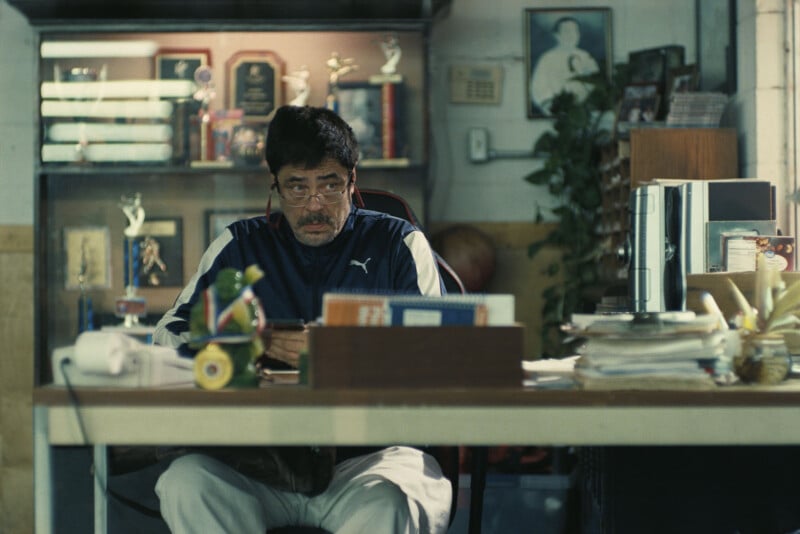
Anderson’s consistent preference for shooting on film, and his specific insistence on formats that provide a tangible "texture" to the image, has been a defining characteristic of his work since ‘Phantom Thread.’ Bauman’s comments confirm that this aesthetic dialogue is ongoing and central to their creative process. This director-cinematographer relationship, where the visual language is meticulously crafted and debated, is crucial in shaping the distinct identity of Anderson’s films. Bauman’s ability to translate Anderson’s vision, combined with his own technical mastery and artistic sensibility, has resulted in a body of work that is both visually rich and emotionally resonant. Their collaboration on ‘One Battle After Another’ is a testament to the power of such a partnership, where the technical choices—like the use of VistaVision—are in perfect harmony with the narrative and thematic ambitions of the film.
Broader Impact and Future Outlook
Michael Bauman’s win at the 40th ASC Awards for ‘One Battle After Another’ is more than just a personal triumph; it carries significant implications for the broader film industry. It solidifies his standing as a leading cinematographer in feature films, promising a vibrant future for his contributions to visual storytelling. Furthermore, the award, coupled with the success of other VistaVision-shot films, reinforces the viability and artistic merit of employing analog film formats, even those considered niche or vintage, in major Hollywood productions. This trend could inspire a new generation of filmmakers to explore the unique qualities of film, ensuring that the diverse palette of cinematic expression continues to evolve rather than homogenize.
The ASC Awards, by recognizing such meticulous and technically ambitious work, continues to play a vital role in highlighting excellence and shaping industry discourse around visual storytelling. It celebrates the often-unsung heroes behind the camera whose artistry is fundamental to the magic of cinema. As the industry grapples with the ever-changing landscape of technology, the resurgence of formats like VistaVision, championed by talents like Bauman and directors like Anderson, serves as a powerful reminder of film’s enduring allure and its capacity to deliver truly indelible and immersive images. While Bauman’s victory was the headline, the 40th annual ASC Awards, sponsored by RED, honored many other talented cinematographers across various categories, all of whom contribute to the rich tapestry of contemporary cinema. A complete list of all winners and nominees is available on the ASC’s official website, providing a comprehensive overview of the year’s outstanding achievements in cinematography.