The landscape of modern photography has undergone a seismic shift over the last decade, transitioning from the heavy, specialized equipment of the digital single-lens reflex (DSLR) era to the ubiquitous and highly capable smartphone. Central to this evolution is the iPhone, a device that has not only democratized high-quality imaging but has also revitalized the classic genre of black and white street photography. By leveraging advanced sensor technology and sophisticated software filters, contemporary photographers are now able to capture the raw, timeless essence of urban life with a device that fits in a pocket. Industry data from platforms such as Flickr consistently rank the iPhone as the most popular camera used by its global community, a testament to the hardware’s reliability and the growing acceptance of mobile devices within professional and artistic circles.
The Evolution of Mobile Street Photography
Street photography, traditionally defined by the candid capture of life in public spaces, has its roots in the early 20th century with pioneers like Henri Cartier-Bresson and Robert Frank. These masters relied on the portability of 35mm film cameras to remain inconspicuous. Today, the iPhone serves as the spiritual successor to these compact film cameras. The primary advantage of mobile street photography lies in its "stealth" factor; a photographer with a smartphone is often perceived as a tourist or a casual passerby, allowing for more authentic, unposed shots of the urban environment.
To achieve professional-grade results in this medium, experts suggest a systematic approach that combines technical settings with classical compositional theories. The following eight methodologies represent the current standard for producing high-impact black and white street imagery using iOS technology.
1. Direct Monochrome Visualization
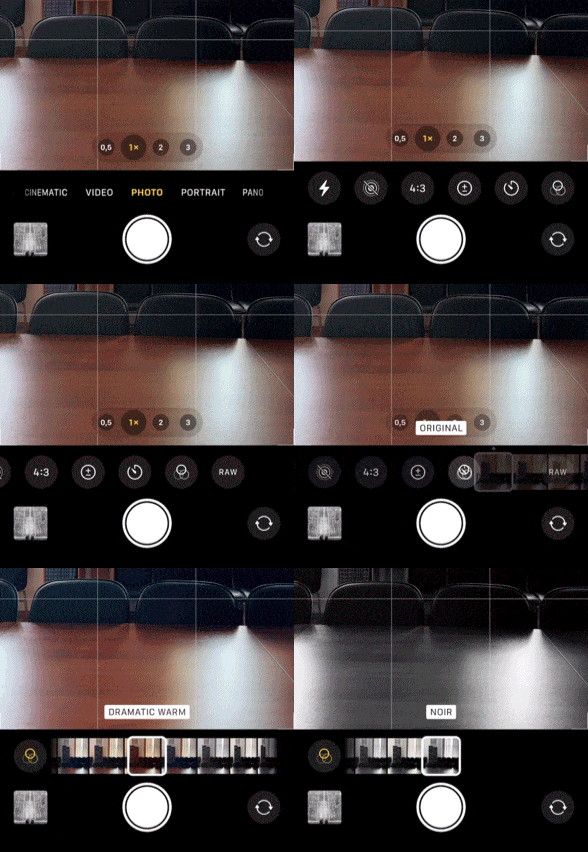
One of the most significant technical advantages of the modern iPhone camera is the ability to apply non-destructive live filters. While many amateur photographers capture images in color and convert them to monochrome during post-processing, industry professionals often advocate for shooting directly in black and white. By selecting the "Noir" filter within the native Camera app, the photographer can see the world in grayscale in real-time.
This shift in visualization is critical because it removes the distraction of color, allowing the eye to focus on the fundamental building blocks of a great photograph: light, shadow, texture, and form. Because the iPhone’s filters are non-destructive, the original color data is preserved, providing the flexibility to revert the image if necessary. However, the primary benefit remains the mental shift; seeing the interplay of light and dark through the viewfinder enables the photographer to identify high-contrast scenes that would otherwise be overlooked in a color-saturated environment.
2. Minimalism and the Utilization of Negative Space
In the dense, often chaotic environment of a city, the most effective photographs are frequently the simplest. Minimalism in street photography relies on the strategic use of negative space—areas of the frame that are intentionally left empty or uncluttered. This technique serves to isolate the subject, ensuring that the viewer’s attention is directed precisely where the photographer intends.
Finding negative space in an urban setting requires a keen eye for open squares, parks, or large, monochromatic walls. Data from eye-tracking studies in visual arts suggest that the human brain processes minimalist compositions more rapidly and with greater emotional resonance. When a single human figure is placed within a vast, empty architectural frame, the resulting image often evokes themes of solitude, scale, and the human condition in the modern world.
3. Structural Integrity through Leading Lines
Leading lines are a foundational element of classical composition, used to create a sense of depth and to guide the viewer’s eye through the three-dimensional space of a two-dimensional image. The urban landscape is inherently rich with these geometric cues. Roads, bridges, architectural cornices, and even shadows cast by skyscrapers can serve as powerful leading lines.
To maximize the impact of this technique, photographers often position themselves so that the lines originate from the corners of the frame. This creates a "vanishing point" effect, which is particularly striking in black and white, where the absence of color highlights the mathematical precision of the city’s design. Whether utilizing the straight lines of a subway tunnel or the graceful curves of a spiral staircase, the goal is to place the subject at the convergence point, creating a narrative "destination" for the viewer’s gaze.
4. Pattern Recognition and Repetition
The human brain is evolutionarily predisposed to seek out patterns. In photography, the repetition of shapes and lines creates a rhythmic quality that can be both hypnotic and aesthetically pleasing. Modern architecture, characterized by glass, steel, and repetitive modular units, provides an endless array of patterns for the mobile photographer.
When these patterns are captured in monochrome, the emphasis shifts entirely to the graphic quality of the building’s facade. Professionals often use Google Maps Street View or Instagram geotags to scout locations with unique architectural patterns before beginning a shoot. By waiting for a human subject to enter a patterned scene, the photographer introduces a "break" in the repetition, which serves as a powerful focal point and adds a layer of human interest to an otherwise abstract geometric study.
5. Architectural Framing and Subject Isolation
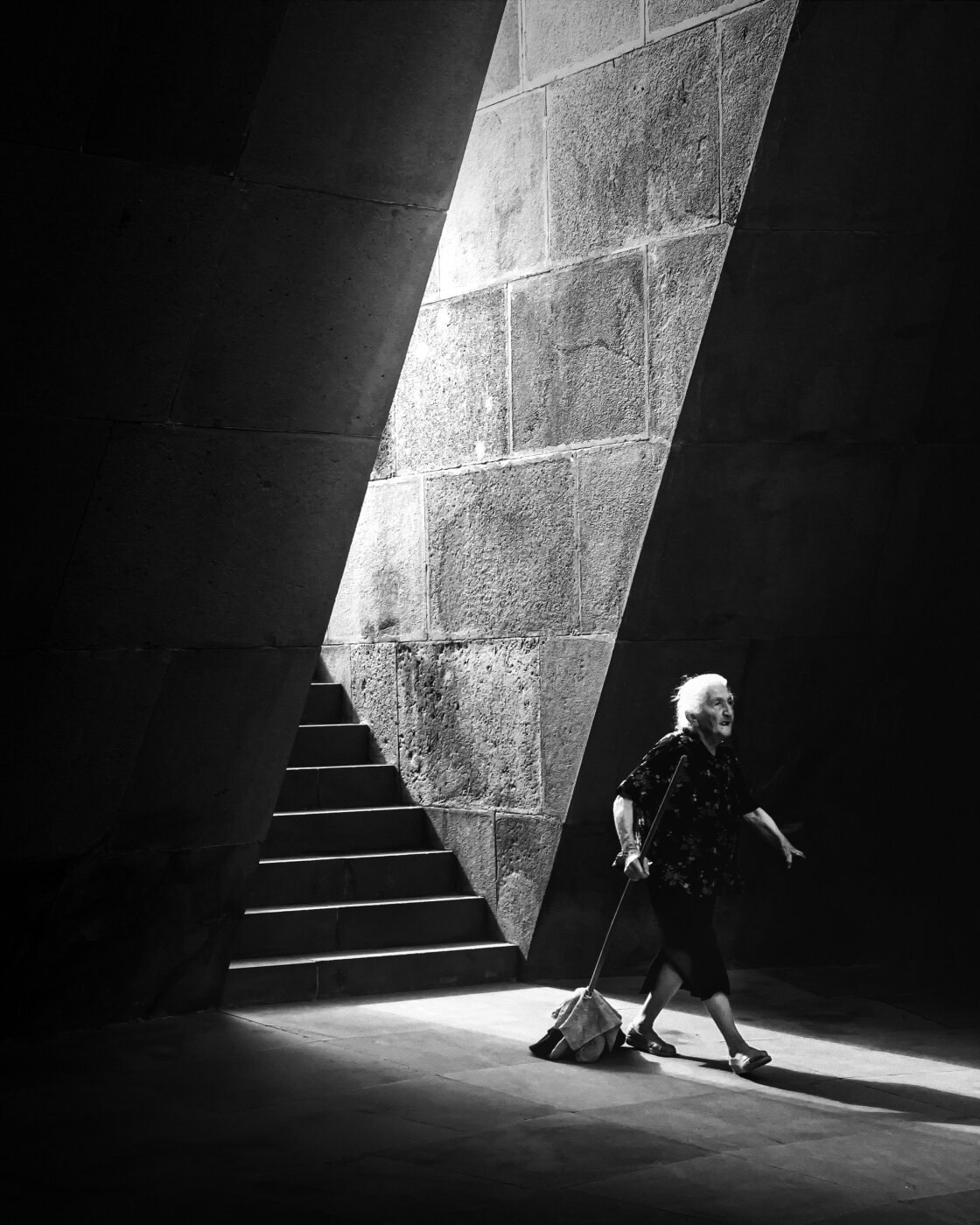
Framing is a compositional technique where the photographer uses elements within the scene to create a "frame within the frame." Common urban elements such as archways, doorways, windows, and tunnels are ideal for this purpose. In black and white photography, the high contrast between the frame and the light beyond it can create a dramatic spotlight effect.
To successfully execute this, the iPhone’s "Burst Mode" is often employed. By dragging the shutter button to the left or holding the volume-up button, the camera captures a rapid sequence of images. This allows the photographer to select the precise millisecond when a subject’s stride or posture is most aesthetically perfect within the frame. This "high-speed" capability, once exclusive to professional sports cameras, is now a standard feature that has revolutionized the success rate of candid street photography.
6. The Physics of Silhouettes
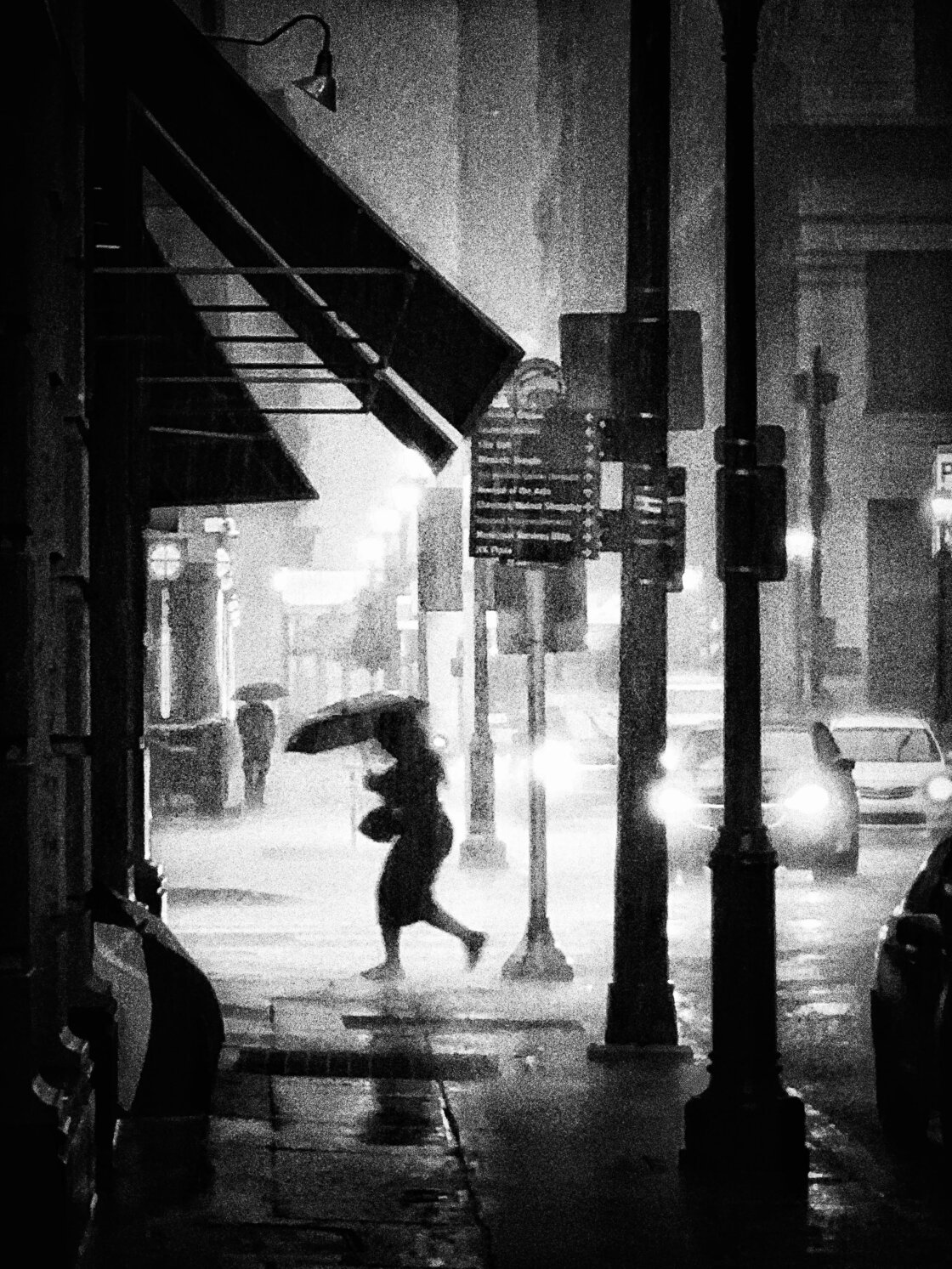
Silhouettes are among the most evocative forms of black and white photography, relying on the total absence of detail within the subject to create mystery and drama. The technical requirement for a silhouette is a strong light source located behind the subject. This is most easily achieved during the "Golden Hour"—the period shortly after sunrise or before sunset when the sun is low on the horizon.
On an iPhone, creating a silhouette requires manual intervention in the camera’s exposure settings. By tapping on the brightest part of the sky and sliding the sun icon downward, the photographer can "underexpose" the image, turning the subject into a crisp, dark outline. This technique emphasizes the "decisive moment" of the subject’s silhouette against the sky or a brightly lit shop window, creating a timeless, painterly quality.
7. Shadows as Narrative Elements
While many photographers view shadows as a nuisance, in black and white street photography, they are often the primary subject. Long shadows cast by the low winter sun or the harsh, short shadows of midday can add a sense of noir-style drama to an image. In some cases, the shadow of a person can be more interesting than the person themselves, offering a distorted or elongated perspective on reality.
The use of shadows in photography is a direct link to the "Chiaroscuro" technique used by Renaissance painters like Caravaggio, which utilized strong contrasts between light and dark to achieve a sense of volume and drama. In the digital age, the iPhone’s ability to handle high dynamic range (HDR) allows photographers to preserve detail in the bright areas while allowing the shadows to fall into deep, rich blacks.
8. Post-Processing and the Digital Darkroom
The final stage of the photography workflow is editing. The rise of mobile editing suites like Adobe Lightroom Mobile and the built-in iOS Photos app has turned the iPhone into a complete "digital darkroom." Professional editing focuses on refining the "tonal range"—ensuring there is a true black, a true white, and a full spectrum of grays in between.
Tools such as "Healing" or "Retouching" are increasingly used to clean up distracting elements like trash on a sidewalk or a stray sign that breaks a minimalist composition. This ability to refine an image on the fly has significantly shortened the "click-to-publish" timeline, allowing street photographers to share high-quality art with global audiences almost instantaneously.
Broader Impact and Industry Implications
The shift toward iPhone-based street photography has broader implications for the art world and society at large. It has lowered the barrier to entry, allowing individuals from diverse socioeconomic backgrounds to engage in artistic expression without the need for thousands of dollars in equipment. Furthermore, the "Shot on iPhone" campaign by Apple has successfully blurred the lines between commercial advertising and fine art, featuring mobile photography on massive billboards and in prestigious galleries worldwide.
However, the democratization of the medium also raises questions regarding privacy and ethics in the digital age. As cameras become smaller and more integrated into daily life, the "candid" nature of street photography faces new legal and social challenges. Nevertheless, the core objective remains unchanged: to capture the fleeting, beautiful, and often overlooked moments of human existence.
As sensor technology continues to improve—with rumors of periscope lenses and larger CMOS sensors in upcoming models—the gap between mobile devices and professional cameras will continue to narrow. For the modern street photographer, the iPhone is no longer just a communication device; it is a sophisticated instrument of record, capable of turning a mundane city walk into a masterclass in light and shadow. In the words of many contemporary professionals, the best camera is indeed the one that is always with you, and for the vast majority of the world’s photographers, that camera is an iPhone.