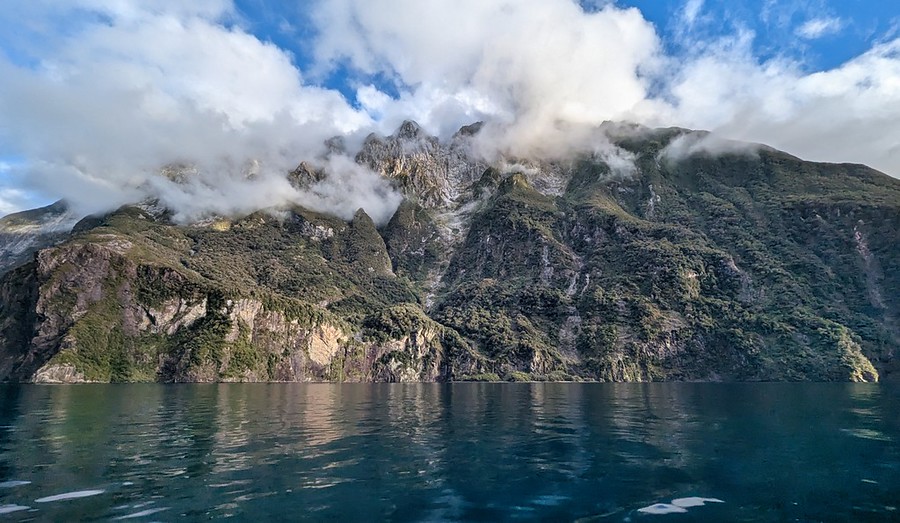
The breathtaking vista captured in a recent photograph offers a stunning glimpse into the majestic entrance of Milford Sound, known by its Māori name Piopiotahi, as seen from the expansive ocean. This image, shared by the photography collective Stuck in Customs, serves as a visual portal to one of New Zealand’s most iconic natural wonders, inviting viewers to experience the dramatic convergence of sea and land. The photograph encapsulates the initial impression one receives when navigating from the open sea into the sheltered, glacially carved fiord, a landscape sculpted over millennia by the relentless forces of ice and water.
The Majesty of Milford Sound: A Geological Marvel
Milford Sound is not merely a picturesque location; it is a testament to the powerful geological processes that have shaped the South Island of New Zealand. Part of the Fiordland National Park, a UNESCO World Heritage Site, the sound is renowned for its sheer granite cliffs, cascading waterfalls that plunge hundreds of meters into the dark, inky waters, and lush, temperate rainforest clinging precariously to its steep slopes. The photograph, taken from the ocean approach, highlights the immense scale of this natural amphitheater. The viewer is positioned as if embarking on a journey into this dramatic landscape, with the towering cliffs on either side promising an immersive experience.
The formation of Milford Sound dates back to the last glacial period, approximately 20,000 years ago. As massive glaciers carved their way through the ancient mountains, they eroded the landscape, creating deep, U-shaped valleys. When the glaciers retreated, these valleys were inundated by the sea, forming the fiords that characterize the region. The depth of Milford Sound, reaching up to 530 meters, is a direct consequence of this glacial excavation, making it one of the deepest fiords in the world. The photograph’s perspective emphasizes this depth, with the water appearing to recede into the dramatic embrace of the surrounding mountains.
A Photographer’s Perspective: Capturing the Grandeur
The photograph, attributed to the collective Stuck in Customs, focuses on the "chunk of the scene which welcomes you into Milford Sound (Piopiotahi) from the ocean/sea end of the Fjord." This deliberate framing suggests an emphasis on the initial, awe-inspiring encounter with the fiord. Photographers often seek to convey not just the visual spectacle but also the emotional resonance of a place. In this instance, the image likely aims to evoke a sense of wonder, anticipation, and perhaps a touch of humility in the face of such raw, untamed natural beauty.
While the specific technical details of the photograph, such as camera settings and equipment, are not provided in the accompanying metadata, the quality of the image suggests a careful composition and post-processing. The resolution and clarity of the captured scene allow for an appreciation of the intricate details: the texture of the rock faces, the subtle variations in the water’s surface, and the dense vegetation that adorns the slopes. The lighting conditions, which are crucial for any landscape photography, would have played a significant role in shaping the mood and atmosphere of the image. Whether captured under the soft glow of dawn, the dramatic shafts of midday sun, or the moody skies often associated with Fiordland, the photograph seeks to encapsulate a quintessential moment of arrival.
The Ecological Significance of Milford Sound
Beyond its visual appeal, Milford Sound is a vital ecosystem, teeming with unique flora and fauna. The deep, dark waters are home to a variety of marine life, including dolphins, seals, and penguins. The low light penetration due to the tannin-rich freshwater runoff from the rainforest creates distinct ecological zones. This unique environment supports species adapted to low-light conditions, such as the black coral, which thrives at depths where sunlight is minimal.
The surrounding rainforest, characterized by its high rainfall—averaging around 6,400 millimeters annually, making it one of the wettest inhabited places on Earth—supports a rich diversity of plant life. Ferns, mosses, and ancient trees dominate the landscape, creating a verdant and often misty ambiance. The waterfalls, such as Stirling Falls and Bowen Falls, are not just visually striking but are also integral to the health of the ecosystem, constantly replenishing the water and contributing to the unique character of the fiord. The photograph, by showcasing the cliffs from which these waterfalls often originate, hints at this underlying ecological richness.
Tourism and Conservation: A Delicate Balance
Milford Sound is a major tourist destination, attracting hundreds of thousands of visitors each year. The primary mode of experiencing the fiord is through boat cruises, which navigate the waters, offering close-up views of the waterfalls, wildlife, and geological formations. The photograph serves as an advertisement, in a sense, for the experience of entering this natural wonder.
However, the popularity of Milford Sound also presents challenges for conservation. Managing the impact of tourism on the fragile environment is a constant concern for the Department of Conservation (DOC), the New Zealand government agency responsible for managing protected areas. Efforts are made to minimize the environmental footprint of visitor activities, including waste management, trail maintenance, and regulating boat traffic. The image, by showcasing the raw beauty of the fiord’s entrance, implicitly underscores the importance of preserving this pristine environment for future generations.
Historical Context: Māori Connection to Piopiotahi
The Māori name for Milford Sound, Piopiotahi, carries deep cultural significance. According to legend, the demigod Maui shaped the fiord with his paddle while carving out the land of Aotearoa (New Zealand). The name itself refers to a now-extinct native bird, the piopio, which is said to have once sung in the area. This historical and mythological connection highlights the long-standing relationship between Māori and this landscape, a relationship rooted in respect and guardianship.
The arrival of European explorers in the 19th century marked a new era for Milford Sound, with Captain James Cook charting the fiord in 1770 but not entering it, and Lieutenant John Ballantyne being the first European to enter in 1812. The subsequent exploration and mapping by Captain John Lort Stokes in 1851, who named it Milford Sound, brought it to wider international attention. The photograph, while seemingly a modern depiction, is part of a long continuum of human engagement with this extraordinary place, from ancient legends to contemporary exploration.
The Enduring Allure of Fiordland
The photograph of Milford Sound’s entrance is more than just a static image; it is an invitation to explore, to understand, and to appreciate a landscape shaped by immense natural forces and imbued with deep cultural history. It serves as a reminder of the power and beauty of the natural world and the ongoing importance of conservation efforts. As visitors continue to be drawn to this remote corner of New Zealand, images like this play a crucial role in conveying its profound allure and the need to protect its unique ecological and cultural heritage. The continued sharing of such imagery, whether through photography or other media, helps to foster a global appreciation for places like Milford Sound, encouraging responsible tourism and advocating for their long-term preservation. The scene captured is a testament to the enduring power of nature to inspire awe and a sense of connection to something far greater than ourselves.