The Milan-Cortina 2026 Winter Olympics, held last month across various venues in northern Italy, witnessed an extraordinary convergence of athletic prowess and photographic excellence, with thousands of professional sports photographers deploying cutting-edge equipment to capture the Games’ most iconic moments. Amidst the challenging alpine conditions and geographically dispersed event sites, Canon Professional Services (CPS) emerged as a pivotal force, providing an unparalleled level of support that underscored the company’s commitment to the professional imaging community and highlighted the near-total transition to mirrorless technology in elite sports photography. This comprehensive logistical operation, spanning multiple strategically located gear rooms, provided essential equipment loans, rapid repairs, and expert technical assistance, ensuring photographers could meet the rigorous demands of Olympic coverage.
The Winter Olympics Stage: Milan-Cortina 2026 and Its Unique Challenges
The Winter Olympics, while featuring fewer athletes and events compared to its summer counterpart, presents its own distinct set of challenges for both competitors and the media tasked with documenting their feats. The Milan-Cortina 2026 Games, specifically, introduced a unique logistical puzzle due to its widespread geographic footprint. Events were scattered across major hubs like Milan and Cortina d’Ampezzo, alongside numerous surrounding towns and cities in the Lombardy and Veneto regions. This multi-venue setup necessitated a highly adaptable and robust support infrastructure for official partners and equipment providers, a task Canon Professional Services embraced with meticulous planning. Beyond the spatial dispersion, the inherent environmental conditions of a winter sporting event—sub-zero temperatures, heavy snowfall, and icy winds—pose significant operational hurdles for sensitive electronic equipment and the photographers operating them. Equipment must not only be high-performing but also exceptionally resilient to withstand these extreme elements, a testament to the engineering and testing that goes into professional-grade cameras and lenses. The demanding nature of capturing split-second action in such environments means that every piece of gear, from camera bodies to specialized lenses, must function flawlessly under duress.
Canon Professional Services: A Critical Backbone for Olympic Coverage
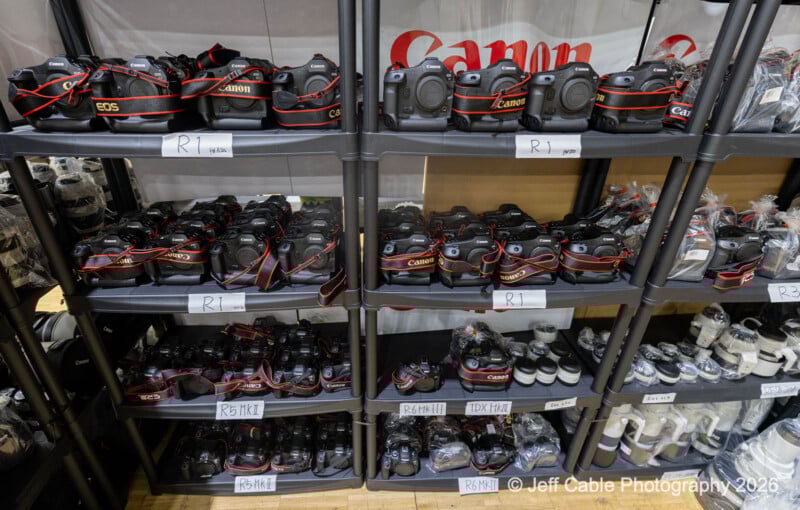
At the heart of Canon’s operational strategy for Milan-Cortina 2026 was its extensive Canon Professional Services (CPS) setup. Renowned photographer Jeff Cable provided a rare glimpse into the scale of this operation, particularly at the Milan hub, where hundreds of professional cameras and lenses were meticulously organized and readily available. In total, Canon established four distinct gear rooms strategically positioned across the Italian landscape to serve the various competition zones. These hubs were located in close proximity to major venues in Milan, Cortina d’Ampezzo, and other key towns, minimizing travel time for photographers seeking assistance. This multi-location approach was crucial in mitigating the challenges posed by the dispersed venues, ensuring that photographers were never far from essential support, regardless of whether they were covering speed skating in Milan or alpine skiing in Cortina d’Ampezzo.
The mission of CPS extends far beyond simply lending equipment. It embodies a comprehensive ecosystem designed to empower professional photographers to perform at their peak under immense pressure. At major international events like the Olympics, where "decisive moments" are fleeting and deadlines are unforgiving, the reliability of gear and the availability of immediate technical support are paramount. A malfunctioning camera or lens can mean the difference between capturing an iconic image and missing a career-defining shot. Canon’s investment in these elaborate support systems underscores its understanding of these critical demands and its dedication to fostering a symbiotic relationship with the professionals who rely on its technology. This long-standing commitment to professional support has been a hallmark of Canon’s strategy for decades, reinforcing brand loyalty among the most discerning users.
A Fleet of Advanced Equipment: Powering the Visual Narrative
During the 17-day duration of the Winter Olympics, from February 6th to 22nd, Canon reported an astonishing total of approximately 3,000 items loaned out to professional photographers. This vast inventory encompassed a wide array of professional cameras, an extensive collection of specialized lenses, and a myriad of crucial accessories, including batteries, memory cards, and speedlites. The sheer volume reflects the intensity of photographic coverage required for an event of this magnitude, where multiple photographers from various agencies and media outlets work concurrently across diverse disciplines, often requiring redundant equipment to avoid any potential downtime.
Crucially, Canon ensured that its latest and most innovative technologies were readily available. Among the cutting-edge gear on hand were the recently launched RF 14mm f/1.4L VCM and the RF 7-14mm f/2.8-3.5L Fisheye. The RF 14mm f/1.4L VCM stands out as Canon’s fastest ultra-wide lens to date, offering unparalleled low-light performance and shallow depth-of-field capabilities, ideal for capturing immersive environmental shots or dynamic indoor events like figure skating or short-track speed skating where wider perspectives and fast apertures are critical. Meanwhile, the RF 7-14mm f/2.8-3.5L Fisheye represents a bold step in optical innovation, capable of capturing an expansive field of view that can literally "see behind itself," opening new creative avenues for photographers seeking unique perspectives, perhaps for extreme sports like snowboarding or freestyle skiing where a distorted, immersive look enhances the dynamic feel. Beyond these specialized offerings, the inventory undoubtedly included a robust selection of Canon’s workhorse telephoto lenses—such as the RF 400mm f/2.8L IS, RF 600mm f/4L IS, and RF 800mm f/5.6L IS—which are indispensable for capturing distant action on ski slopes, ice rinks, and bobsled tracks with stunning clarity and speed. The availability of such a diverse and advanced fleet of equipment underscores Canon’s commitment not only to quantity but also to providing the very best tools for the job, tailored to the specific demands of winter sports.
Beyond Lending: Rapid Response and Maintenance in the Field
The challenges of Olympic photography extend beyond merely having the right equipment; maintaining that equipment under strenuous conditions is equally vital. Canon Professional Services’ commitment was further evidenced by its impressive repair and cleaning statistics: over 800 pieces of gear underwent service during the Games. This substantial figure highlights the intense wear and tear experienced by professional equipment in an Olympic environment, where cameras and lenses are subjected to continuous use, often in harsh weather, and occasionally to accidental bumps or drops. Common issues encountered in cold environments include battery degradation, condensation buildup when moving between cold outdoor and warm indoor environments, and minor impacts from accidental handling in bulky winter gear.
Yoshihiro Yatomi from Canon’s Imaging Business Unit, IMG First Product Planning Center, articulated the company’s proactive approach to service: "We have prepared enough replacement equipment and have prepared a system that can be rented immediately if there is a request." This philosophy of immediate availability of replacements is crucial for professionals operating under tight deadlines, where even a few hours of downtime can mean missing critical moments. Japanese publication Mynavi further detailed that Canon Professional Services is equipped to perform minor repairs within a few hours, with more significant maintenance typically completed by the next day. This rapid turnaround capability is a lifeline for photographers, allowing them to swiftly return to action with either their repaired gear or a suitable loaner, minimizing disruption to their demanding schedules. Such efficient service underscores the comprehensive nature of CPS, positioning it as an indispensable partner for professional photographers at high-stakes events. The ability to quickly clean sensors or address minor mechanical issues on-site allows photographers to maintain peak image quality and operational readiness throughout the demanding multi-week event.
The Mirrorless Revolution: A Paradigm Shift in Professional Sports Photography
Perhaps the most striking revelation from Canon’s presence at Milan-Cortina 2026 was the almost complete dominance of mirrorless camera systems among professional sports photographers. Canon reported a mirrorless adoption rate of nearly 100 percent at these Winter Olympics, a dramatic leap from the approximately 20 percent observed at the Tokyo Summer Olympics in 2021. This represents a monumental shift in a remarkably short period and signifies a definitive paradigm change in professional imaging.
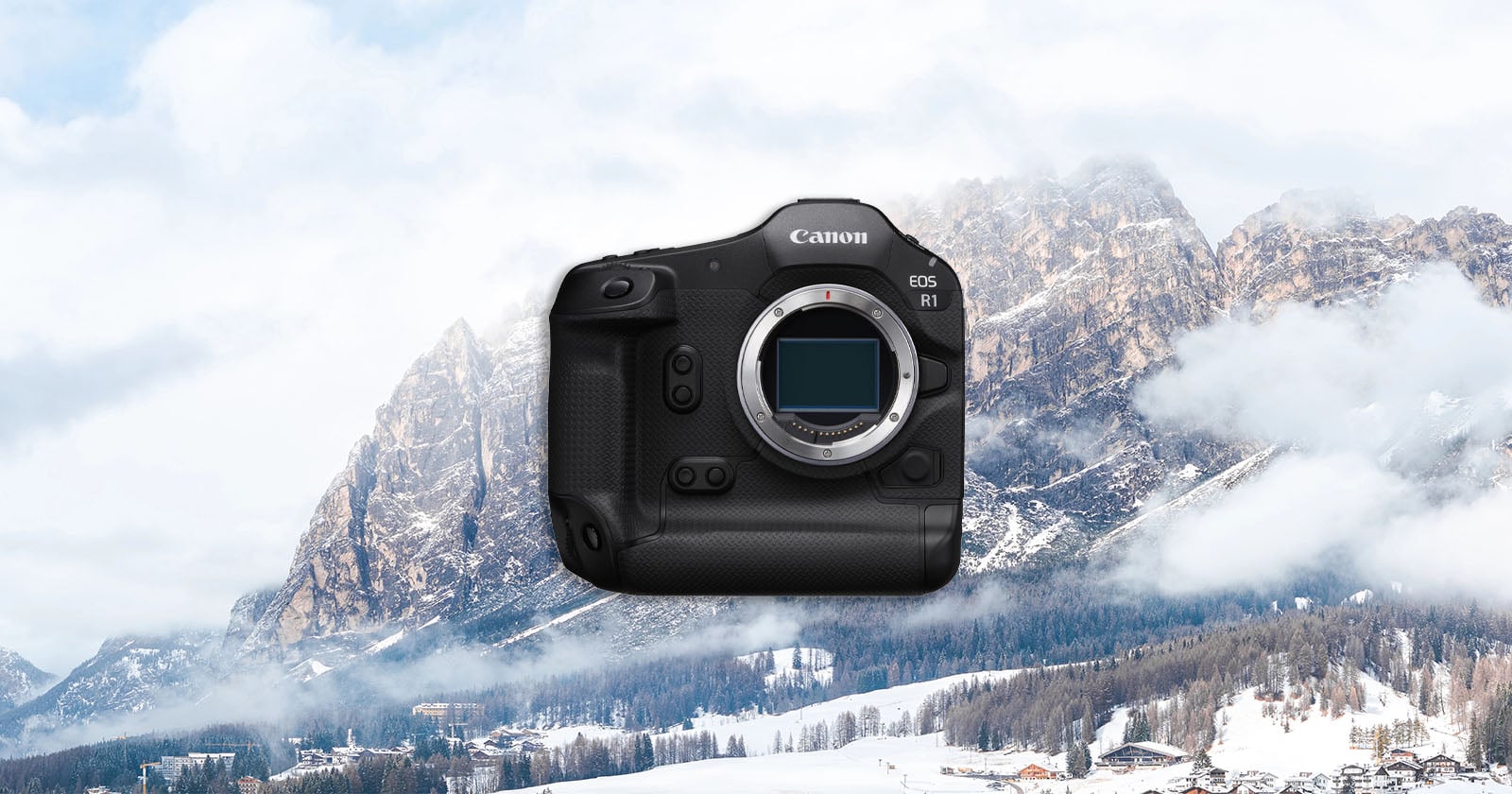
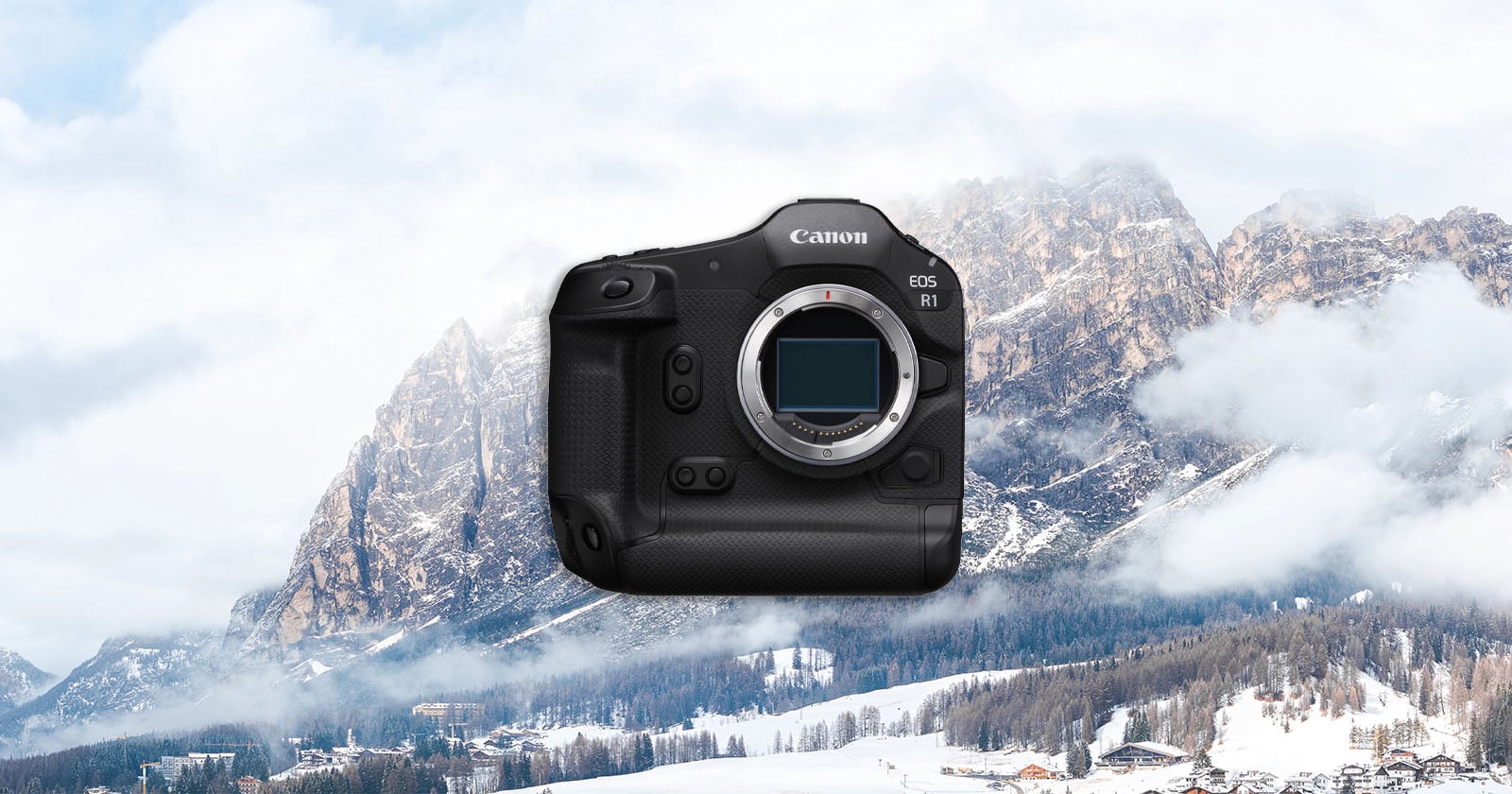
The Tokyo 2021 Games served as a critical proving ground for nascent mirrorless technologies. At that time, Canon’s highly anticipated EOS R3 was still in its prototype phase, though it was already being actively tested and used by select photographers, including Jeff Cable himself, demonstrating its early promise. This early exposure allowed Canon to gather invaluable feedback from top professionals. Fast forward to early 2026, and Canon’s mirrorless ecosystem has matured significantly. The full-fledged EOS R3, known for its blistering speed, advanced autofocus, and robust build, is a staple. It has been joined by the flagship EOS R1, a camera designed from the ground up to be Canon’s ultimate professional sports and action camera, boasting unparalleled durability, speed, and Canon’s most sophisticated autofocus performance to date, including advanced subject recognition and tracking. Complementing these speed demons is the high-resolution EOS R5 Mark II, offering an ideal blend of resolution and performance for various professional applications, from detailed portraits to expansive landscapes, but still capable of high-speed action.
The rapid and widespread adoption of these mirrorless systems is driven by several compelling advantages over traditional DSLR technology. Mirrorless cameras offer superior autofocus capabilities, particularly in tracking fast-moving subjects across the entire frame, a critical feature for sports. Their electronic viewfinders provide a real-time, accurate preview of the final image, including exposure and white balance, which streamlines the shooting process and reduces the need for constant review. Furthermore, mirrorless bodies are often lighter and more compact than their DSLR counterparts, reducing photographer fatigue during long assignments in cold weather gear. The innovation in lens design, specifically for the RF mount, has also played a crucial role, allowing for optical advancements that were previously challenging with DSLR mounts, delivering sharper images and faster apertures. This near-100% adoption rate at the Olympics is not just a statistic; it’s a powerful endorsement from the world’s most demanding photographers, validating the technological superiority and practical benefits of mirrorless systems for elite professional work. It signals a complete shift in the industry’s preferred tools for high-stakes, high-speed photography.
Engineered for Extremes: Durability in Alpine Conditions
The environmental conditions of the Winter Olympics provide a rigorous real-world test for camera equipment, pushing it to its operational limits. Temperatures far below freezing, coupled with snow, ice, and high humidity from melting snow, are notoriously challenging for electronics. While many consumer-grade cameras might falter, professional equipment like Canon’s is engineered to withstand such extremes. Canon’s official operating temperature recommendations for a camera like the EOS R1 typically range from 0°C to 45°C (32°F to 113°F). However, the company’s rigorous testing protocols go far beyond these stated limits to ensure real-world reliability.
Having witnessed Canon’s stress-testing facilities firsthand in Japan, the resilience of their gear at the Winter Olympics comes as no surprise. Canon maintains dedicated testing areas within its factories where cameras and lenses are subjected to brutal simulations of extreme weather, including prolonged exposure to sub-zero temperatures, intense humidity, and even direct water ingress. These tests ensure that critical components—such as image sensors, autofocus systems, and physical controls—remain fully functional and reliable even when operating significantly outside the recommended temperature ranges. The success of Canon’s equipment in the frigid Italian Alps, as attested by the professionals using them, is a direct result of this meticulous engineering and exhaustive quality assurance process. The feedback loop from professionals operating in such demanding environments directly informs future product development and design enhancements. This commitment to durability is not merely a marketing claim but a fundamental requirement for equipment that must perform flawlessly in the most demanding environments on the planet.
Photographer Perspectives and Workflow Evolution
While direct quotes from all photographers are not provided, it can be logically inferred that the extensive support from Canon Professional Services and the performance of their mirrorless gear significantly enhanced the photographers’ ability to perform their duties. The ability to swap out gear quickly, get immediate repairs, and trust in the weather sealing of their cameras in harsh conditions frees photographers to focus on capturing the action rather than worrying about equipment failure. This psychological benefit is immense for professionals under pressure. The transition to mirrorless has also profoundly impacted workflow. The "what you see is what you get" nature of electronic viewfinders, combined with advanced tracking autofocus, means less time spent reviewing images for focus errors and more time composing and capturing the perfect shot. Faster burst rates and deeper buffers in flagship mirrorless cameras also mean fewer missed frames during high-speed sequences, allowing photographers to capture longer, more comprehensive action bursts. The reduced size and weight of mirrorless systems, especially with the newer, lighter RF lenses, contribute to less physical strain over long days, a significant advantage when navigating snowy terrain or standing for hours in freezing temperatures. This evolution in technology not only improves the quality of the output but also enhances the efficiency and confidence of the photographers on assignment, leading to more iconic and impactful imagery.
Looking Ahead: The Future of Sports Photography
The Milan-Cortina 2026 Winter Olympics serves as a powerful indicator of the current state and future trajectory of professional sports photography. While the core essence of the Olympic Games—celebrating human achievement and sporting excellence—remains unchanged, the tools and methodologies employed by photographers to document these events have undergone a dramatic transformation. The near-universal adoption of mirrorless technology signifies a definitive end to the DSLR era for elite professional sports coverage, with Canon at the forefront of this transition, demonstrating clear leadership in the professional segment.
As the photographic world looks towards the 2028 Summer Olympics in Los Angeles, there is an anticipation of further technological advancements. Camera manufacturers like Canon will undoubtedly continue to innovate, refining existing technologies and introducing new features that push the boundaries of image capture. We can expect even faster processors, more intelligent autofocus systems that leverage AI and deep learning for predictive tracking, enhanced low-light capabilities that make challenging lighting conditions more manageable, and potentially revolutionary sensor designs. The continued evolution of RF lenses, offering unparalleled optical performance and innovative features, will also play a critical role, further expanding creative possibilities. Canon, along with other major camera brands, will undoubtedly be on hand in Los Angeles, ready to provide the next generation of gear and support services to ensure that the iconic moments of the future are captured with unprecedented clarity, speed, and artistic vision. The unwavering commitment of companies like Canon to supporting the professional community ensures that as athletes continue to push the limits of human performance, photographers will have the tools to capture every decisive moment and weave the visual tapestry of sporting history for generations to come. The era of mirrorless is not just here; it is rapidly evolving, promising an even more exciting future for sports photography.