
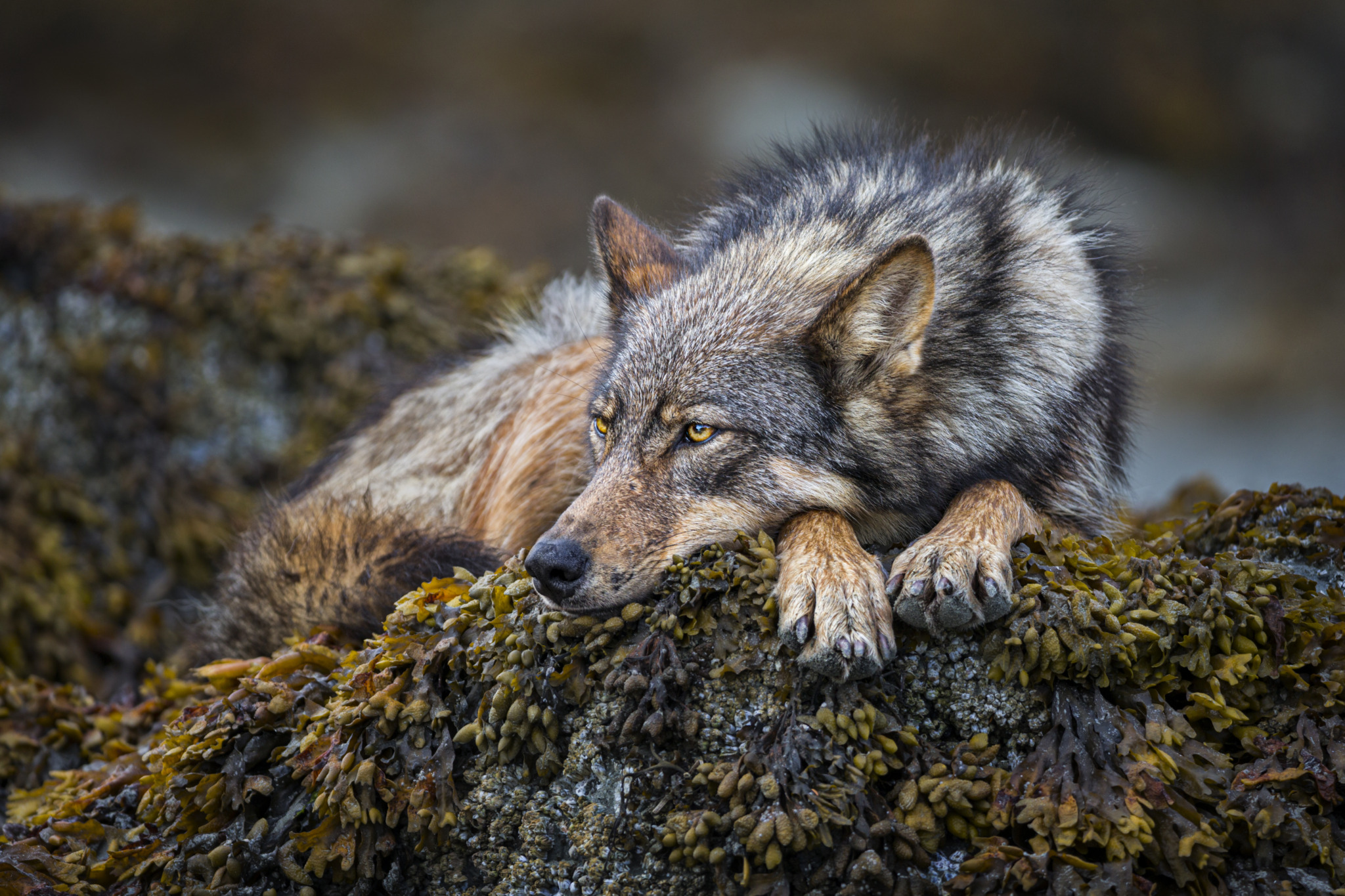
Thirty years ago, a solitary expedition into the Canadian Barren Grounds, a stark and beautiful expanse situated just 300 miles north of the Arctic Circle, set in motion a profound personal journey of discovery. The author, embarking on a challenging three-month sojourn, traversed over 600 miles on foot and navigated more than 2,000 miles by canoe through this remote wilderness. While the stated objective was to test personal endurance and photograph tundra wolves, the experience ultimately fostered a deeper understanding of the interconnectedness between humanity and the natural world. The initial sighting of a lone wolf, a creature glimpsed after weeks of patient observation, became a pivotal moment, initiating a lifelong fascination with these often-misunderstood apex predators.
This initial encounter was the first in a series of interactions that have provided invaluable lessons in patience and the gradual earning of trust. Wolves, by their very nature, are reclusive and acutely aware of their surroundings, exhibiting a natural caution that makes them rare visitors to human proximity. Statistically, attacks on humans by wolves in North America are exceedingly uncommon, with only a handful documented over the past century. Despite this demonstrable reality, the archetype of the "big bad wolf," a narrative steeped in fear and often amplified by fiction and folklore, continues to exert a powerful influence on the human psyche. This enduring perception, deeply embedded in cultural narratives, often overshadows the ecological significance and inherent timidity of these animals.
The persistence of these ancient narratives, such as the tale of "Little Red Riding Hood," while seemingly benign, takes on a more problematic dimension in the face of escalating biodiversity loss across the continent. As prey populations, including deer and other herbivores, experience documented declines, wolves are frequently and prematurely identified as the primary culprits. This tendency to assign blame to predators overlooks a crucial historical perspective: wolves have been an integral part of the North American landscape for an estimated 30,000 to 50,000 years, predating the arrival of human populations by tens of millennia. This prolonged co-existence underscores their foundational role within the continent’s intricate ecological web.
The Disproportionate Impact of Human Activity
A critical examination of environmental degradation reveals that the widespread devastation wrought by human industrial activities—including extensive road construction, deforestation for agriculture and resource extraction, and the pervasive impacts of mining and drilling—have inflicted significantly greater and more widespread harm on wildlife populations than wolves ever have. The narrative of wolves as primary ecological disruptors often serves as a convenient deflection from the systemic issues caused by human development and resource exploitation. This misplaced focus is further perpetuated by policies that continue to prioritize human control over nature through methods like government-sanctioned wolf culls.
These culling programs, often framed as necessary for wildlife "management," stand in stark contrast to the ongoing expansion of industries like oil dredging and copper mining, which carry inherent and substantial environmental risks. For instance, the Canadian government’s implementation of a taxpayer-funded program to eliminate 4,000 wolves in British Columbia highlights a continued reliance on reactive, rather than preventative, ecological strategies. Until there is a fundamental shift towards holding human activities accountable for the true extent of landscape damage, the repetition of such ecologically detrimental practices is inevitable.
Shifting the Narrative: Understanding Ecological Balance
The author’s intention in sharing experiences with animals like wolves is to foster a deeper understanding and appreciation for their intrinsic value and ecological importance. Perpetuating the image of predators as villains, particularly those that have for millennia maintained equilibrium within their respective ecosystems, only serves to deepen a cycle of ecological decline. Every species, regardless of its perceived threat or the prevalence of misunderstanding surrounding it, contributes uniquely to the richness and complexity of our planet’s biodiversity.
The Ecological Role of Wolves
Wolves, as apex predators, play a crucial role in maintaining the health and stability of their ecosystems. Their presence influences prey behavior, preventing overgrazing and promoting plant diversity, which in turn supports a wider array of other species. Studies have documented the cascading effects of wolf reintroduction in areas where they were previously extirpated. For example, the reintroduction of wolves to Yellowstone National Park in the mid-1990s led to a significant decrease in elk populations, which in turn allowed vegetation like willow and aspen to recover. This recovery provided habitats for beavers, songbirds, and other wildlife, demonstrating the profound ripple effects of apex predator presence. Data from the National Park Service indicates that the recovery of riparian vegetation in Yellowstone following wolf reintroduction has led to increased biodiversity and improved ecosystem health.
Historical Context and Cultural Perceptions
The historical perception of wolves in North America is deeply intertwined with the oral traditions and folklore of indigenous peoples, as well as the narratives brought by European settlers. For many Indigenous cultures, wolves held a sacred status, often viewed as spiritual guides or powerful symbols of the wild. However, with the arrival of European colonists, who brought with them a European perspective that often demonized predators, the wolf’s image began to shift. This historical animosity was further cemented by early conservation efforts that often focused on eradicating "problem animals" to protect livestock and promote human settlement. This historical trajectory has contributed to the persistent negative stereotypes that continue to influence contemporary attitudes.
Policy and Management: A Contested Landscape
The management of wolf populations remains a contentious issue in many parts of North America. While some jurisdictions have embraced conservation and reintroduction efforts, others continue to permit or even encourage hunting and culling. For instance, in states like Montana and Idaho, wolves are managed under state wildlife agencies, with hunting seasons established based on population estimates and management goals. These policies are often driven by concerns from livestock producers and hunters, who may view wolf populations as a threat to their interests. However, scientific research consistently highlights the limited impact of wolves on livestock compared to other factors like disease, weather, and human-wildlife conflict. According to the U.S. Department of Agriculture, the majority of livestock losses are attributable to causes other than wolf predation.
The Broader Implications of Misguided Management
The continued practice of wolf culling and the perpetuation of negative stereotypes carry significant implications for broader conservation efforts. By scapegoating a keystone species, we risk overlooking the more pervasive threats to biodiversity, such as habitat loss, climate change, and pollution. The focus on controlling predator populations distracts from the urgent need to address the root causes of ecological imbalance. This misdirected approach not only hinders effective conservation but also perpetuates a flawed understanding of natural systems.
The quote by Robin Wall Kimmerer, "As we learn to listen to the land, we discover that we are not separate from it; we are part of it," serves as a powerful reminder of the interconnectedness that underpins ecological health. Shifting our perspective from one of dominance and control to one of respect and integration is essential for fostering a sustainable future. By recognizing the invaluable contributions of all species, including those historically feared and misunderstood, we can begin to mend our fractured relationship with nature and work towards a more harmonious co-existence. The path forward requires a commitment to evidence-based ecological management, a willingness to challenge outdated narratives, and a profound appreciation for the intricate tapestry of life that sustains us all. This re-evaluation is not merely an academic exercise but a critical step in safeguarding the health of our planet for generations to come.