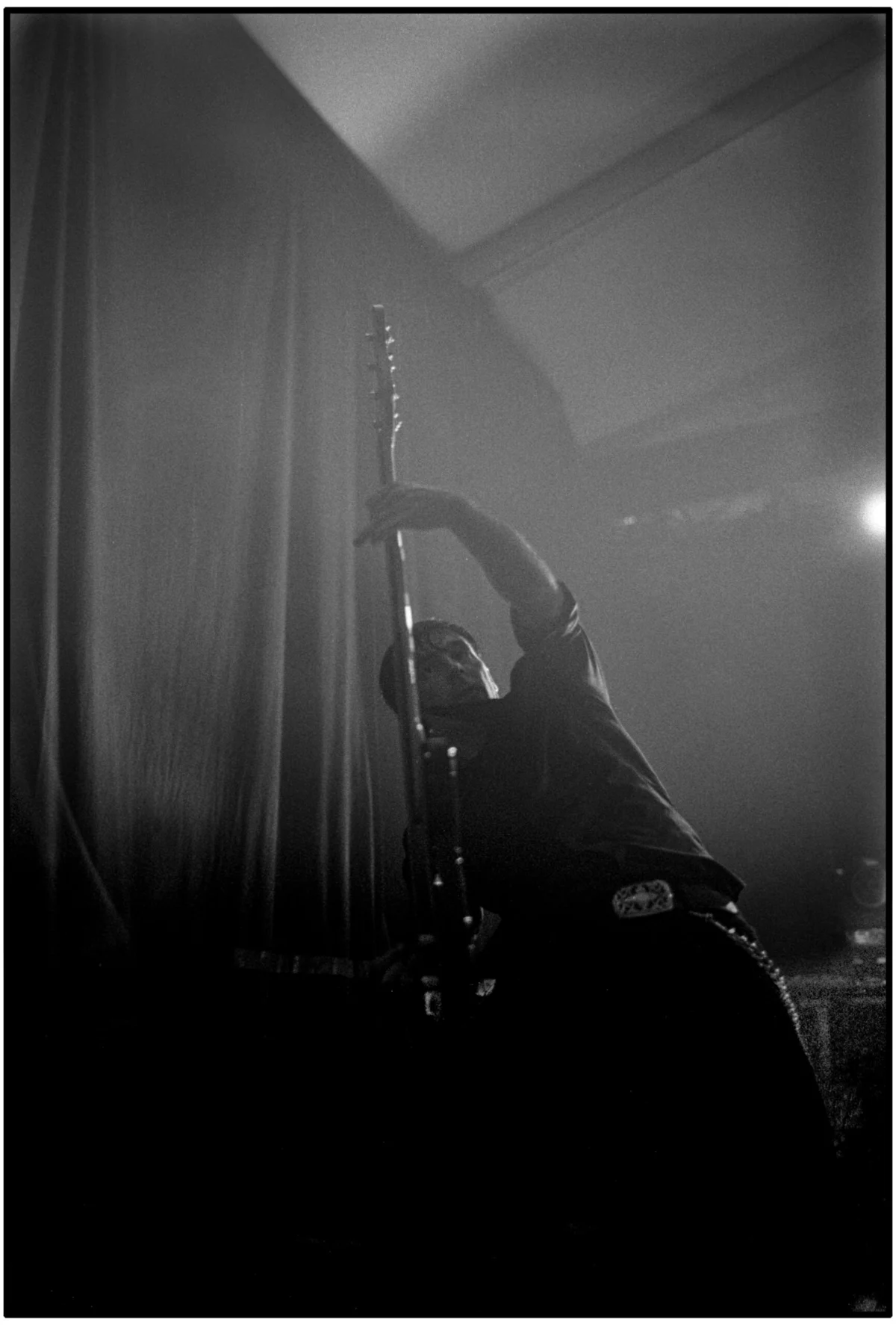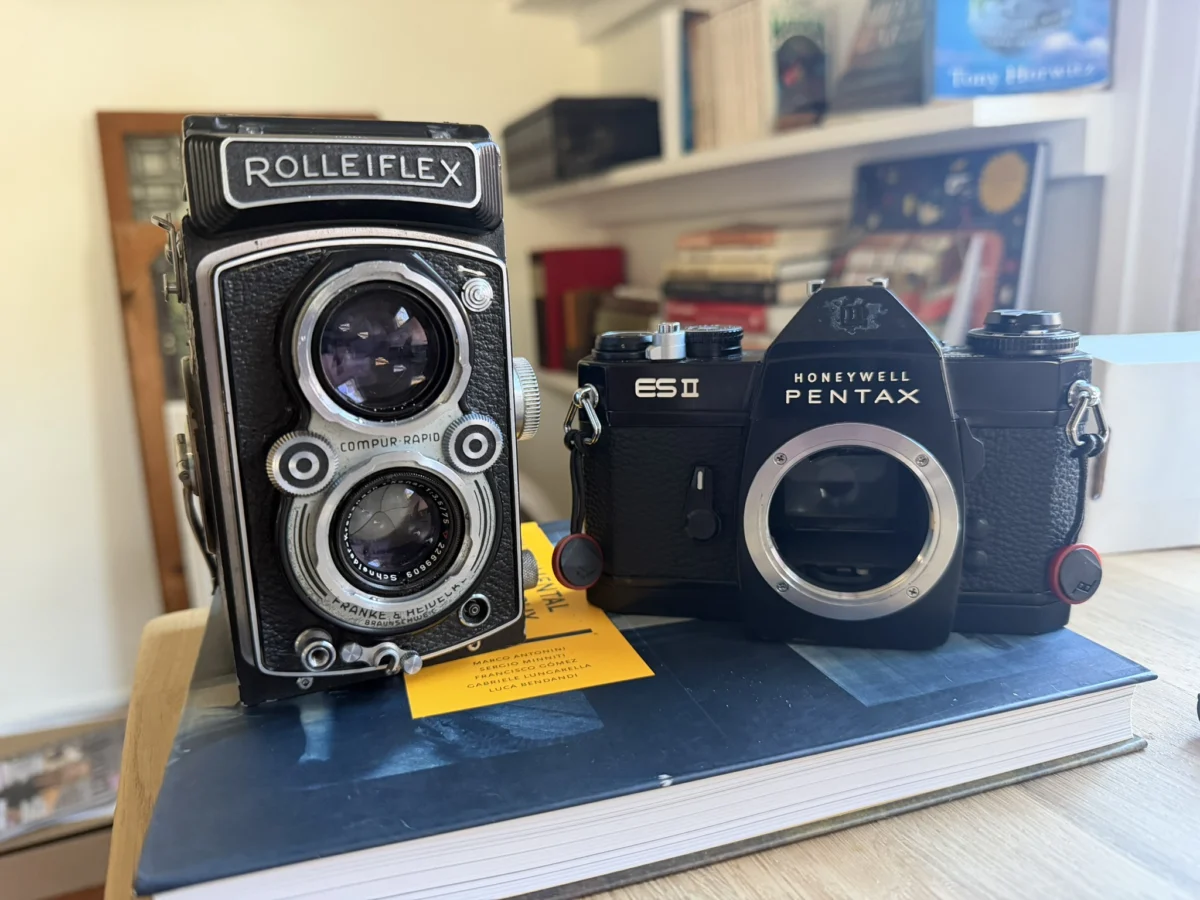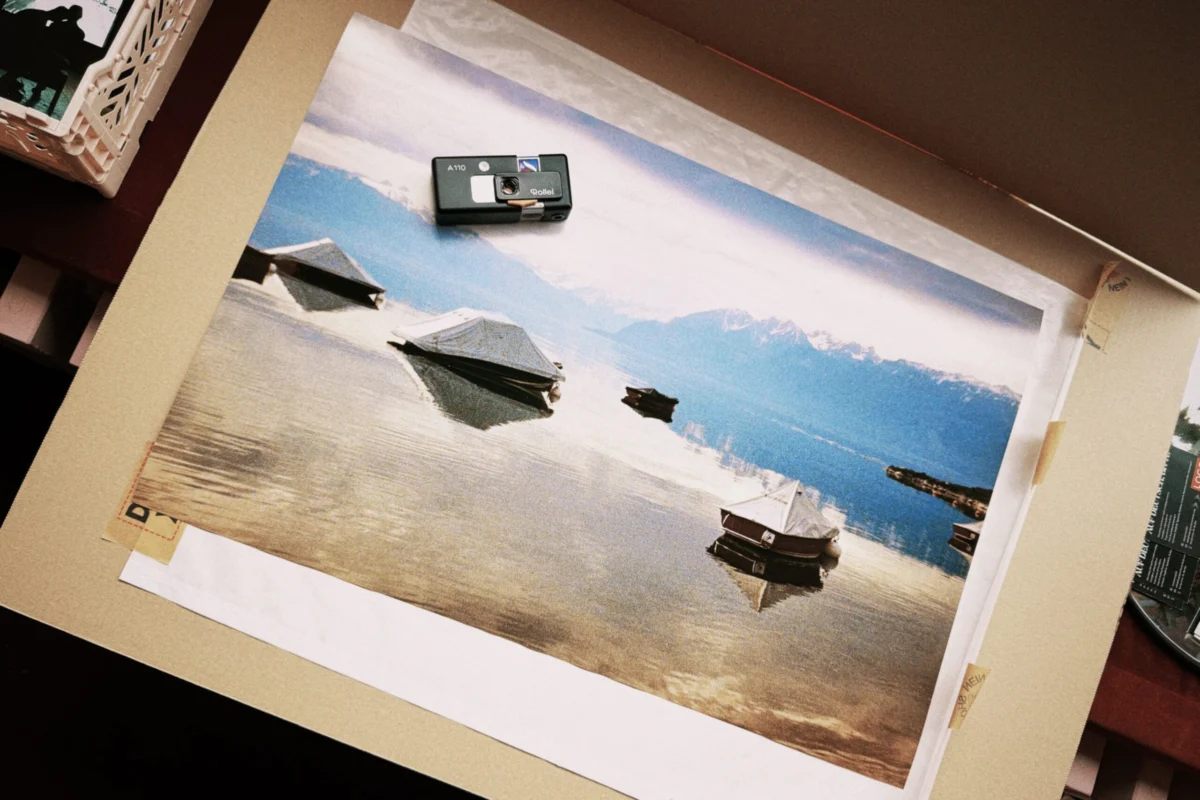
The global analog photography market, which has seen a sustained revival over the last decade, is currently witnessing a paradoxical shift in consumer behavior: as many enthusiasts migrate toward high-resolution medium format systems, a dedicated subset of photographers is gravitating toward the 110 film format, once dismissed as a consumer-grade novelty. This subminiature format, characterized by its 13 x 17 mm negative size and plastic cartridge housing, is being re-evaluated not merely as a nostalgic relic but as a sophisticated tool for artistic expression. By leveraging modern scanning technologies and a renewed interest in the "lo-fi" aesthetic, contemporary practitioners are challenging the traditional hierarchy of image quality, proving that even the smallest negatives can produce meaningful, large-scale results.
The Genesis of Portability: A Chronology of the 110 Format
The 110 film format was officially introduced by Eastman Kodak in 1972, accompanied by the launch of the Pocket Instamatic camera line. This development followed the success of the 126 "Instamatic" format, which had simplified film loading for the general public in the 1960s. The primary objective of the 110 system was to maximize portability without sacrificing the convenience of the drop-in cartridge system.
Throughout the 1970s and 1980s, 110 photography became the standard for casual family documentation. Because the film was housed in a plastic cartridge containing both the supply and take-up spools, users were no longer required to thread film or worry about light leaks during loading. This "democratization of the image" allowed children and amateur hobbyists to capture daily life with unprecedented ease. However, as 35mm point-and-shoot cameras became more compact in the 1990s, the 110 format fell out of favor due to the superior image quality and greater negative area of 35mm film. By the early 2000s, most major manufacturers, including Kodak and Fujifilm, had ceased production of 110 film, leading many to believe the format was extinct.

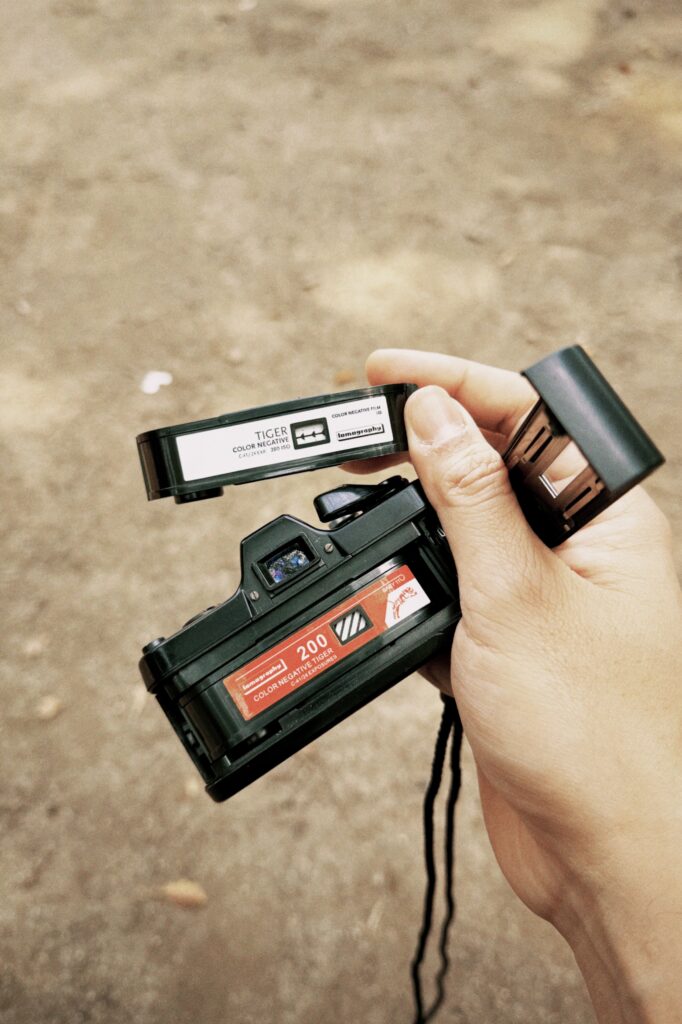
The format’s modern "second life" began in 2012 when Lomography, an Austrian company dedicated to analog photography, reintroduced 110 film to the market. Today, Lomography remains the primary supplier of fresh 110 stock, offering varieties such as Tiger (Color Negative), Orca (Black and White), and experimental emulsions like LomoChrome Color ’92.
Technical Specifications and the Engineering of the Subminiature
The 110 negative measures approximately 13 mm by 17 mm, providing roughly one-quarter of the surface area of a standard 35mm frame (24 x 36 mm). This physical limitation dictates the optical characteristics of the final image. Because the negative is so small, any enlargement—whether for a print or a digital screen—magnifies the film’s grain structure and inherent softness.

Historically, 110 cameras ranged from simple "toy" cameras with fixed-focus plastic lenses to highly sophisticated engineering marvels. Three notable examples often cited by collectors and professionals include:
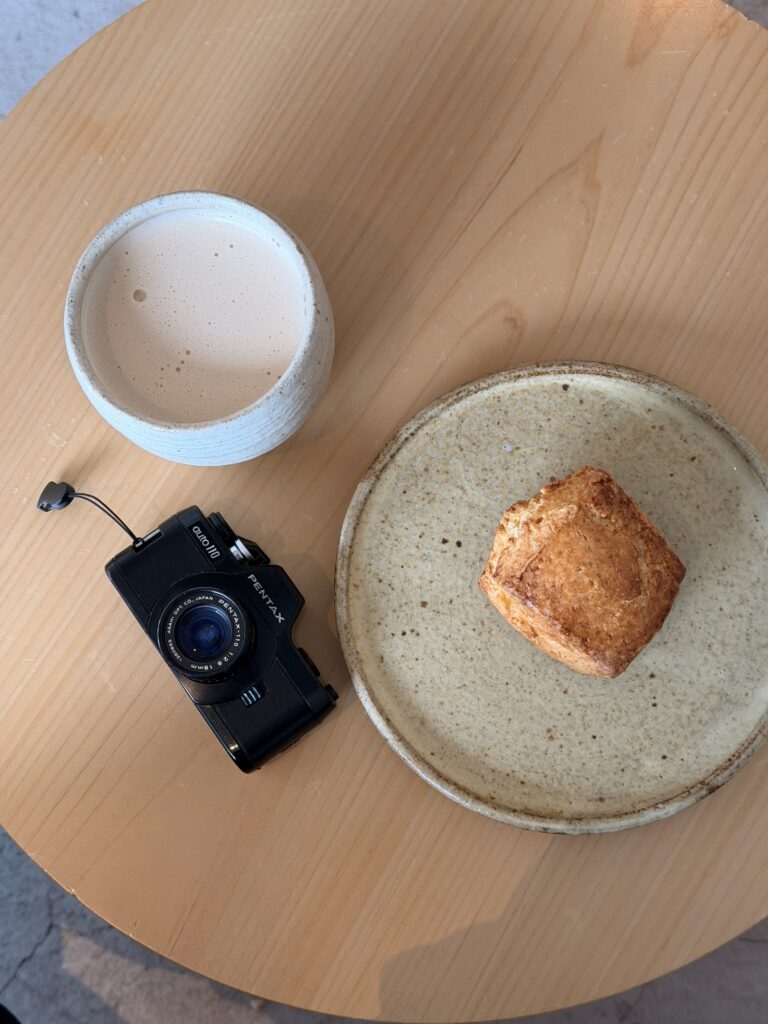
- The Pentax Auto 110: Released in 1978, this remains the smallest interchangeable-lens SLR (Single Lens Reflex) system ever produced. It featured a range of tiny prime lenses, including a 24mm, 50mm, and 18mm, and functioned exactly like a full-sized SLR, complete with a through-the-lens viewfinder.
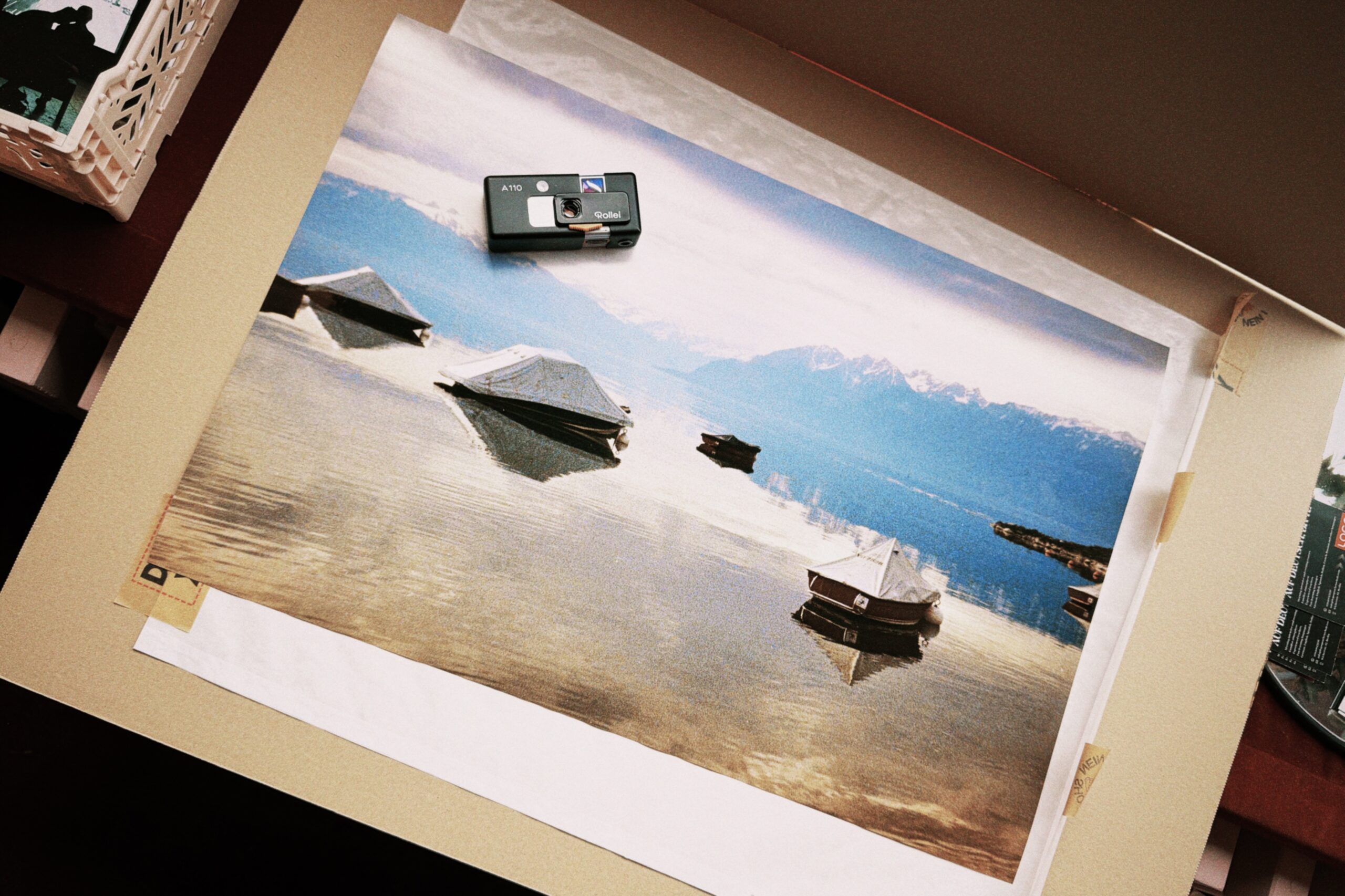
- The Rollei A110: Known for its precision German engineering, the A110 utilized a push-pull mechanism to advance the film and cock the shutter. It featured a high-quality Tessar 23mm f/2.8 lens, proving that subminiature formats could utilize premium glass.
- The Minolta 110 Zoom SLR Mark II: This camera offered a more traditional SLR form factor with a fixed zoom lens, providing advanced metering and aperture-priority modes that allowed photographers to exercise greater creative control over the small negative.
Modern Scanning and the Resolution Breakthrough
The long-standing reputation of 110 film as "low quality" is increasingly being attributed to historical processing and scanning limitations rather than the film itself. In the 20th century, 110 negatives were typically processed by high-volume commercial labs that utilized automated scanners not optimized for the 13 x 17 mm frame. This resulted in muddy colors, excessive noise, and a lack of sharp detail.
Current industry data suggests that the integration of mirrorless camera scanning is revolutionizing 110 photography. By using a high-resolution digital sensor (often 24 to 60 megapixels) equipped with a macro lens to "photograph" the negative, enthusiasts can extract significantly more detail than was previously possible. This deliberate workflow allows for:
- Improved Dynamic Range: Modern digital sensors can capture more detail in the highlights and shadows of the tiny negative.
- Grain Preservation: Rather than being blurred into digital artifacts, the film’s grain is rendered sharply, contributing to the "texture" of the image.
- Large Format Printing: Despite the small negative size, high-quality scans have allowed photographers to produce gallery-grade prints as large as 60 x 40 cm.
Experts in the field note that while better scanning does not remove the inherent softness of the format, it ensures that the softness is an aesthetic choice rather than a technical failure. This shift has encouraged a more professional approach to the format, as evidenced by the rise of dedicated platforms such as the "Tiny Frame Journal" and specialized social media communities like @tinyframetales.
The Psychological Intersection: Film Grain and Human Memory
A significant factor in the 110 format’s resurgence is its unique visual language, which many photographers argue closely mimics the nature of human memory. Unlike high-resolution digital photography, which captures every clinical detail with perfect accuracy, 110 film focuses on fragments.
As a negative decreases in size, information is naturally lost. Fine textures, sharp edges, and exact color gradients are replaced by grain and atmospheric softness. This "subtractive" quality of the 110 format mirrors the way the brain retains experiences: the edges of a memory fade, leaving behind a core impression or a "feeling" of the moment.

In a journalistic context, this makes 110 film an ideal medium for documenting "ordinary life." The cameras are small enough to be carried in a pocket, reducing the friction between the observer and the subject. By removing the pressure to achieve technical perfection, the format allows for a more collaborative relationship between the viewer and the image. The viewer is often required to "fill in the gaps" of the grainy, incomplete frame with their own associations and memories, making the photographic experience more subjective and immersive.
Market Trends and Broader Implications
The demand for 110 film reflects a broader trend in the analog community toward "intentional imperfection." Market analysis indicates that while the sales of high-end 35mm and medium format cameras remain steady, there is a growing secondary market for vintage 110 hardware. Prices for well-maintained Pentax Auto 110 kits and Rollei A110 units have seen a steady increase on auction sites as a new generation of photographers seeks out the unique "pocket-film" aesthetic.

The survival of the format is also a testament to the power of niche enthusiast communities. Without the continued production of film by Lomography and the experimental processing techniques developed by independent labs, the 110 format would likely have remained a closed chapter in photographic history.
From a broader cultural perspective, the 110 revival serves as a critique of the "megapixel race" in the digital smartphone industry. While modern smartphones utilize AI and computational photography to produce hyper-real, sharpened images, the 110 format offers a return to the tangible and the unpredictable. It suggests that the value of a photograph is not found in the amount of data it contains, but in the emotional resonance of what it manages to preserve.

Conclusion: The Enduring Legacy of the Tiny Negative
The 110 film format, once a symbol of cheap, disposable consumerism, has matured into a sophisticated alternative for the modern analog photographer. Its journey from the pockets of 1970s vacationers to the galleries of contemporary artists highlights a fundamental truth about photography: the importance of a frame is not determined by its physical dimensions, but by the perspective of the person behind the lens.
As long as there are photographers interested in exploring the boundaries of limitation and the textures of memory, the "tiny frame" will continue to hold a significant place in the photographic landscape. Through the combination of vintage hardware and modern digital darkroom techniques, the 110 format has proven that even the smallest fragment of film can capture a world that feels larger than life.