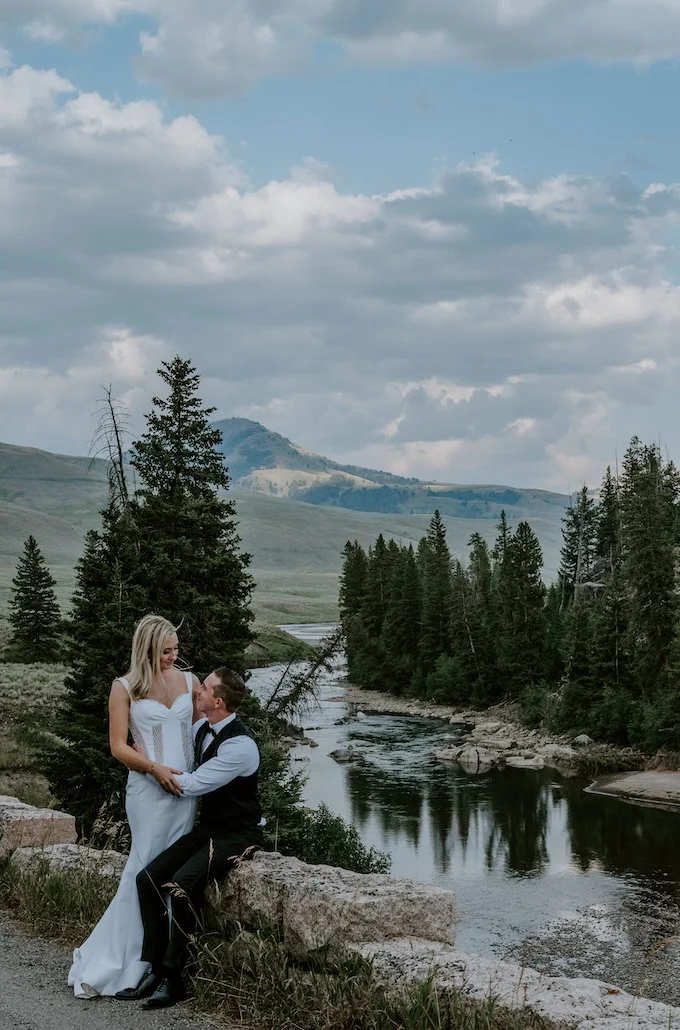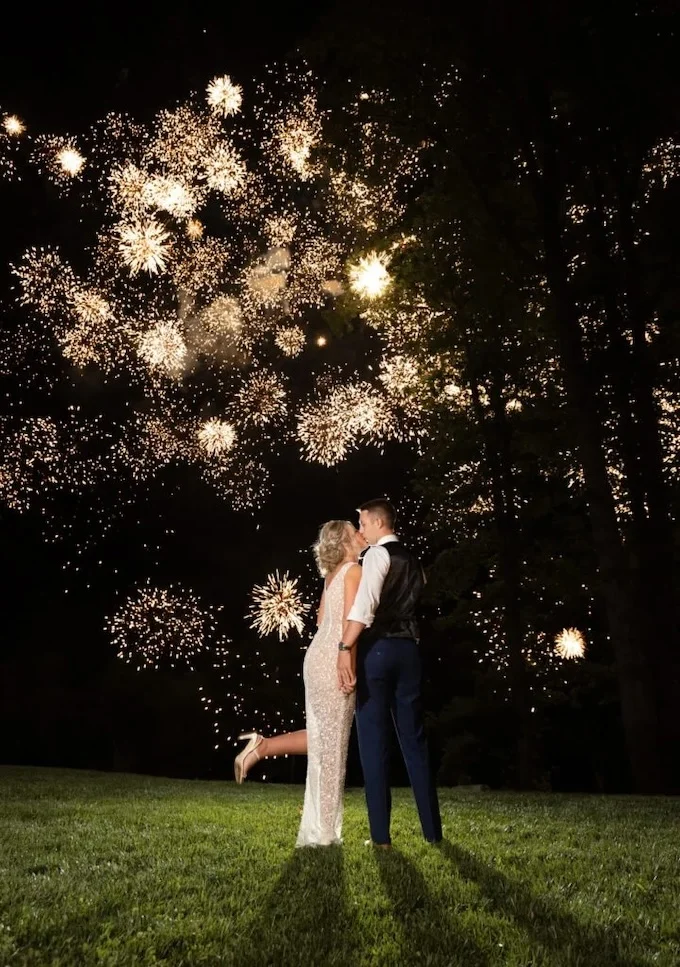
Fireworks are no longer confined to the Fourth of July. Their dazzling displays now illuminate theme parks, punctuate sporting events, and, perhaps most surprisingly, add a dramatic flair to weddings. For photographers, fireworks present a unique and exhilarating opportunity to create unforgettable couples portraits, transforming the night sky into a canvas of light and emotion. However, harnessing this ephemeral spectacle requires more than just pointing a camera; it demands meticulous planning, technical expertise, and a keen artistic eye, building upon the fundamental skills required for exceptional couples photography. This guide delves into the essential tips and creative ideas for capturing fireworks during a couples’ session, ensuring your images radiate the same explosive excitement as a grand finale.

The fleeting nature of fireworks—often lasting a mere five to eight minutes, if not shorter—underscores the critical need for efficiency and precision. To maximize this limited window, photographers must embrace proactive planning, thoroughly scouting locations and understanding every step of the process before the first spark ignites. The following guidelines are designed to prepare you for these high-stakes, high-reward photographic moments.
Strategic Location Scouting: Finding the Perfect Vantage Point
When a wedding or engagement session features a fireworks display on the itinerary, the photographer’s first priority is to gather information about the fireworks’ anticipated trajectory and launch point. Early consultation with the couple, wedding planner, or venue staff is paramount to identifying potential shooting locations.

The definition of the "best" angle is subjective and hinges on the desired photographic outcome. An expansive vista might be ideal for capturing the sheer scale of the fireworks engulfing the sky, with the couple as silhouetted observers. Conversely, a location offering natural or architectural foreground elements, such as trees or buildings, can provide a more intimate framing device, adding depth and context to the composition. The art of successful fireworks photography for couples’ portraits lies in thoughtful composition, making thorough location scouting an indispensable part of the preparation checklist.
Maximizing Dynamic Range: The Power of RAW and Exposure Settings
Photographing fireworks presents a formidable lighting challenge. The ambient light is inherently low, while the explosive bursts can easily overexpose highlights if exposure settings are not carefully managed. To preserve the maximum amount of detail in both the dark surroundings and the brilliant pyrotechnics, shooting in RAW format and meticulously adjusting exposure settings to capture a wide dynamic range is imperative.

RAW Files Versus JPEG: A Technical Imperative
RAW files offer unparalleled flexibility in post-production, enabling photographers to recover lost details in both the deepest shadows and the brightest highlights. In contrast, compressed JPEG files significantly limit this recovery potential, drastically reducing the dynamic range of the captured image. For fireworks photography, where the contrast between dark skies and intense light is extreme, RAW is not merely preferable; it is essential for achieving a technically sound and aesthetically pleasing result.
Optimal Exposure Settings for Fireworks Portraits
Establishing a baseline for exposure settings is crucial when photographing couples amidst fireworks. A recommended starting point often involves a combination of a relatively wide aperture (e.g., f/2.8-f/5.6) to gather sufficient light, a slower shutter speed (e.g., 5-15 seconds) to capture the trails of light, and an ISO setting that balances brightness with acceptable noise levels (e.g., ISO 100-400, adjusted based on ambient light and desired effect).

Crucially, photographers must leverage their camera’s histogram. This visual representation of tonal distribution is vital for preventing highlight clipping—where the data for the brightest parts of the image is lost, rendering the fireworks as blown-out white blobs. Conversely, an image heavily weighted towards the left side of the histogram indicates underexposure, resulting in a loss of detail in the shadows. The goal is to achieve a balanced histogram that captures detail across the entire tonal spectrum.
Mastering White Balance for Color Accuracy and Artistic Vision
Selecting the appropriate white balance setting is key to rendering the colors of the fireworks accurately and harmonizing them with the ambient light and any added artificial light. A common starting point for fireworks is the "Tungsten" white balance preset, which often compensates for the warm, artificial light sources typically present during evening events.

When artificial light is introduced to illuminate the couple, such as through a flash or continuous lighting, the use of a CTO (Color Temperature Orange) gel on the light source can be beneficial. This gel warms the light to mimic candlelight or tungsten bulbs. In conjunction with a CTO gel, setting the camera’s white balance to approximately 3200 Kelvin can help achieve a cohesive color temperature. However, this is a starting point; photographers should adjust the Kelvin value and white balance settings as needed to align with their creative vision and the specific lighting conditions.
The Art of Lens Selection: Crafting the Narrative
The choice of lens for fireworks couples portraits is dictated by the desired field of view and the practicalities of the shooting environment.

- Wide-Angle Lenses: These lenses excel at capturing expansive scenes, allowing photographers to include the couple and a significant portion of the fireworks-filled sky. A wide-angle lens is often ideal for conveying the grandeur of the moment and the couple’s place within it. However, it’s important to maintain communication with the couple, which can be challenging if the lens creates too much separation.
- Zoom Lenses: When used for tighter shots, a zoom lens can effectively compress the perspective, making the fireworks appear larger and more dominant within the frame. This can create a dramatic effect, drawing the viewer’s eye to the explosive spectacle.
A practical approach is to utilize a wider focal length initially to ensure all key elements are captured. If necessary, judicious cropping in post-production can refine the composition without sacrificing essential detail. The primary consideration remains the ability to communicate with and direct the couple effectively, which a moderately wide lens generally facilitates better than an extremely wide one.
Embracing Long Exposure: Painting with Light
Achieving compelling fireworks portraits often necessitates employing a slower shutter speed. The longer the exposure, the more light from the fireworks is captured, resulting in more pronounced light trails and a more dramatic depiction of the display. Exposures ranging from 5 to 10 seconds can beautifully illustrate the motion of the fireworks as they streak across the sky. Shorter exposures, perhaps between 2 to 5 seconds, will reveal less of this motion but may capture more distinct bursts.

Regardless of the chosen exposure duration, a sturdy tripod is non-negotiable for long exposures. It eliminates camera shake, which would otherwise result in blurry images. To further minimize any residual vibration from pressing the shutter button, photographers should utilize a cable release, a remote control, or the camera’s built-in delay timer (a 2-second delay is usually sufficient).
Illuminating Your Subjects: The Crucial Role of Lighting
While typical fireworks photography often focuses solely on the pyrotechnics, leaving subjects in shadow or out of frame, couples portraits demand intentional lighting for the subjects. The advantage here is that the fireworks display is usually scheduled, allowing ample time to set up lighting equipment and fine-tune flash power and exposure settings before the show begins.

The foundational principle is to light the couple as you would for any portrait session, ensuring a balanced exposure between the artificial light and the ambient conditions. A common lighting setup involves placing the primary light source approximately 45 degrees to the side of the couple, and at a slightly elevated, top-down angle. This creates dimension and separates them from the background.
For added depth and definition, a backlight can be introduced. Alternatively, modifiers like snoots or grids can precisely control light spill, ensuring the light is focused exclusively on the couple, preventing it from overpowering the ambient scene or the fireworks. The specific lighting strategy will ultimately depend on the photographer’s creative direction and the desired aesthetic.

The Reliability of Manual Focus
Autofocus systems can struggle significantly in the low light and rapidly changing conditions of a fireworks display. To ensure sharp focus on the couple, switching to manual focus is strongly advised. If the camera offers a live view function, it can be used to precisely focus on the couple (autofocus can be used for this initial focus before the fireworks commence). Once the focus is locked, manually setting the lens to manual focus mode and ensuring it remains there throughout the session is critical.
The Art of the Composite: Layering for Perfection
Creating a composite image offers a powerful alternative for capturing fireworks couples portraits, especially when the direct shooting environment is challenging or when multiple perfect fireworks moments occur. This technique involves capturing a well-lit and perfectly posed portrait of the couple separately from the fireworks display itself.

The Lightroom Workflow: Ensuring Consistency
The process begins in photo editing software like Adobe Lightroom. It is essential to edit the batch of images intended for the composite in a consistent manner. A streamlined approach is to first perfect the exposure, color, and tone of the couple’s portrait. Then, this edited image can be used as a reference to apply the same settings to all subsequent fireworks captures, ensuring a unified look and feel across the entire set.
The Photoshop Technique: Seamless Integration
Once the individual elements are prepared in Lightroom, they are brought into Adobe Photoshop. The images are stacked into a single document, with the couple’s portrait typically placed on the bottom layer. The blend mode of the fireworks layers is then set to "Lighten." This blend mode reveals only the brightest pixels in the upper layers, effectively overlaying the fireworks onto the portrait. Layer masks are then used to meticulously mask out any unwanted elements from each layer, such as the dark sky from the couple’s portrait or extraneous fireworks from the fireworks layers, resulting in a seamless and dramatic composite.

Beyond Fireworks: Photographing Sparklers at Weddings
While not technically large-scale fireworks, sparklers are a popular and visually engaging element at many weddings, particularly during grand exits. Capturing these moments requires a slightly different, yet related, set of techniques.
The Advantage of Larger Sparklers
When advising couples about sparkler selections for photography, it’s highly recommended to opt for larger, 36-inch sparklers over smaller 10-inch versions. The extended burn time of the larger sparklers provides photographers with a more generous window to pose the couple, capture multiple shots, and ensure everyone is well-positioned within the frame. This increased flexibility is invaluable for achieving optimal results.

Adjusting ISO and Aperture for Sparkler Light
Sparklers provide a relatively weak light source. To compensate, photographers may need to increase their ISO and utilize a wider aperture (e.g., f/1.8-f/2.8) to gather sufficient light for a well-exposed image, especially if subjects are in motion.
- Moving Subjects: For dynamic scenes with subjects in motion, a combination of higher ISO (e.g., ISO 800-3200) and a wider aperture is often necessary. Shutter speeds will need to be fast enough to freeze motion, which may require further adjustments to ISO and aperture to maintain proper exposure.
- Static Subjects: When subjects are stationary, lower shutter speeds can be employed. This allows for more light to enter the camera, potentially enabling a lower ISO and a narrower aperture for greater depth of field, while still capturing the light from the sparklers. Experimentation with shutter speed, aperture, and ISO is key to finding the perfect balance.
Safety First: The Essential Safety Bucket
Handling sparklers inherently involves working with fire. Therefore, safety must be a paramount concern. A readily accessible bucket of water or sand is essential for safely extinguishing used sparklers. This simple precaution ensures the safety of the couple, guests, and the venue.

Conclusion: Illuminating Love Stories with Pyrotechnics
The integration of fireworks and sparklers into couples’ photography offers a unique opportunity to elevate ordinary portraits into extraordinary visual narratives. By understanding the technical challenges, embracing creative strategies, and prioritizing safety, photographers can harness the explosive beauty of pyrotechnics to create truly magical and enduring images that celebrate love and joy. The examples showcased throughout this guide serve as a testament to the breathtaking results achievable when skill, planning, and a touch of spectacle converge.