The recently concluded 2026 FIFA World Cup captivated billions worldwide with its thrilling matches and unexpected outcomes. Beyond the athletic prowess displayed on the pitch, this tournament distinguished itself as a landmark event for broadcast technology, pushing the boundaries of fan engagement and athletic analysis. From dynamic aerial cameras to referee-worn viewpoints and cinematic aesthetics, the implementation of cutting-edge technology transformed the viewing experience, providing unprecedented access to the nuances and drama of the global spectacle. This technological leap, spearheaded by FIFA and its broadcast partners, has set a new standard for major sporting events, offering minute-by-minute updates and insights previously unattainable.
The Evolving Landscape of Sports Broadcasting
The FIFA World Cup, held every four years, is not merely a football tournament; it is a global cultural phenomenon, attracting the largest single-sport audience worldwide. With the expansion to 48 teams and co-hosting across the United States, Canada, and Mexico for 2026, the logistical and technological demands escalated significantly. The pressure on Host Broadcast Services (HBS) and FIFA’s innovation teams was immense, tasked with delivering an unparalleled experience that justified the scale of the event. This necessitated a strategic pivot towards technologies that could offer deeper immersion, clearer tactical insights, and a more emotionally resonant narrative. The journey to the 2026 innovations built upon decades of broadcast evolution, from black and white transmissions to high-definition and virtual reality experiments, each World Cup serving as a crucible for new advancements.
Revolutionizing Visuals: The Enhanced Spidercam Systems
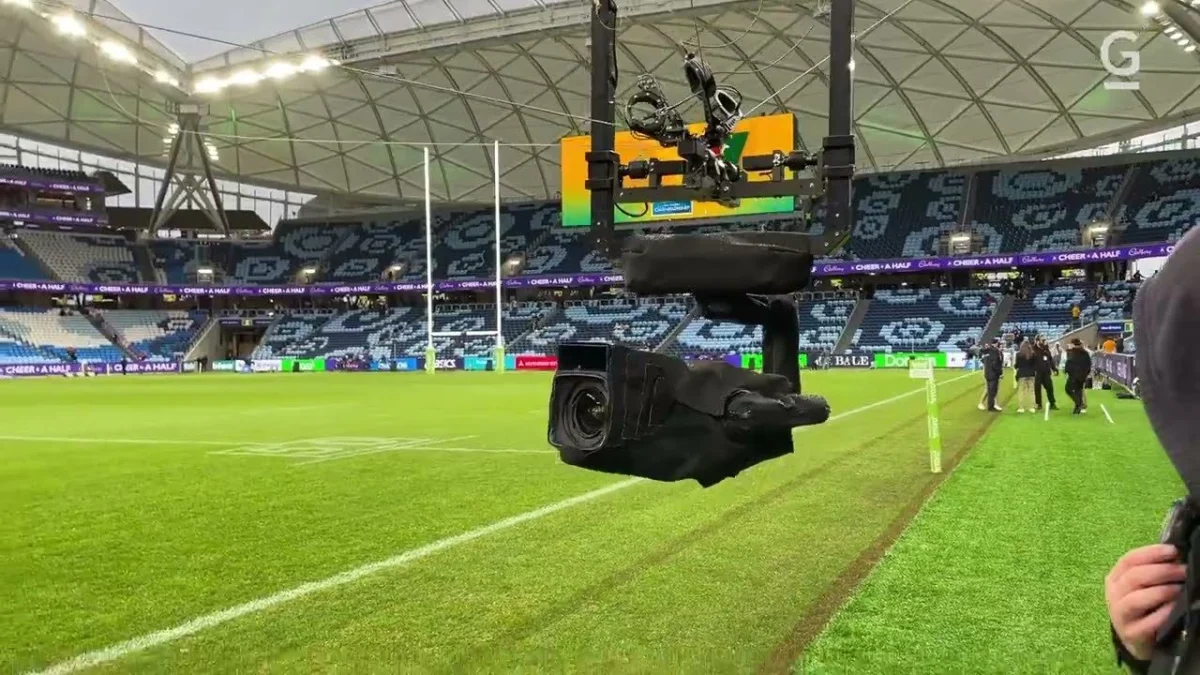
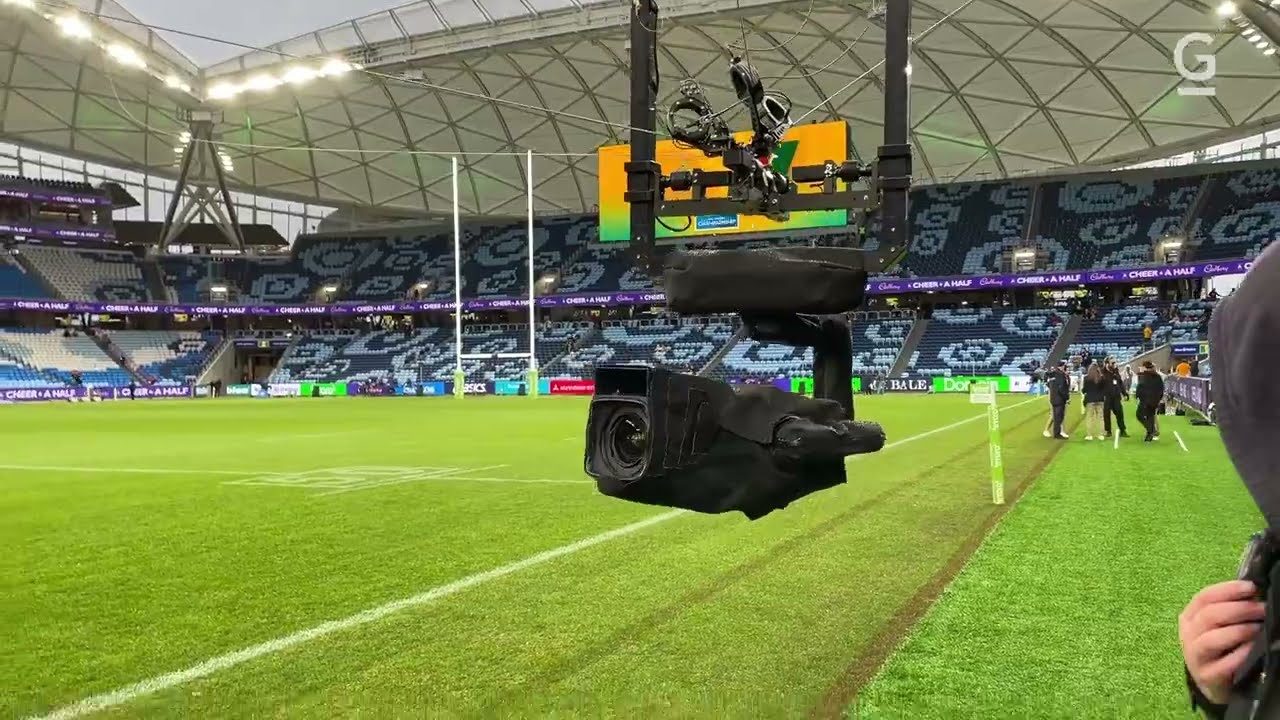
One of the most visually striking technological advancements at the 2026 World Cup was the significantly expanded and refined deployment of Spidercam systems. These iconic cable-suspended camera rigs, familiar to viewers as the "floating cameras" zipping above the field, underwent a substantial upgrade. While Spidercams have been a staple in major sports broadcasting for years, their application at the 2026 tournament transcended previous limitations, offering a viewing experience that blurred the lines between live sports and high-budget cinematic production.
Historically, Spidercams were often restricted to pre-match warm-ups, halftime sequences, and post-goal celebrations due to concerns over player distraction and safety during live play. For 2026, HBS, following extensive testing at events like the 2025 Club World Cup Final, introduced multiple cablecam systems per venue. This included not only the traditional 4-point Spidercam, capable of three-dimensional movement across the pitch, but also secondary, high-speed point-to-point cable cameras running parallel to the touchline. This multi-system approach allowed for simultaneous, multi-angle aerial tracking, providing comprehensive coverage of fast-break counters and tactical formations.
A critical innovation was the integration of advanced software zoning, ensuring that the rigs maintained a strict safe altitude above the ball’s trajectory, allowing them to be actively integrated into live play. This meant viewers could witness sweeping, tactical angles of unfolding attacks and defensive maneuvers in real-time. Furthermore, in a tournament first, these cameras were dynamically positioned during penalty shootouts, hovering strategically behind or slightly above the kicker. This unprecedented intimacy captured the immense psychological tension, the goalkeeper’s precise movements, and the ball’s trajectory with startling clarity, adding a new layer of drama to one of football’s most intense moments.
These next-generation rigs were equipped with ultra-lightweight 4K HDR broadcast cameras, paired with real-time augmented reality (AR) graphics tracking. This allowed for the seamless overlay of live statistics, player speeds, and tactical grids directly onto the aerial feed with virtually no latency. The result was an immersive viewing experience that not only showcased the athleticism but also enhanced tactical understanding, offering a perspective previously reserved for coaching staff.

A Referee’s Perspective: The Introduction of RefCam
Perhaps the most discussed and impactful innovation of the 2026 World Cup was the official global deployment of the RefCam. This small, high-definition camera, mounted directly onto each referee’s headset, offered viewers an unprecedented, literal first-person perspective of the match. Jointly developed by FIFA’s football technology team and their refereeing department, with advanced AI stabilization provided by technology partners like Lenovo, the RefCam delivered footage unlike anything previously seen in sports broadcasting.
The technology had undergone rigorous testing, notably at the 2025 Club World Cup and in various domestic leagues, including the Premier League, where Australian referee Jarred Gillett famously became one of the first to wear one in 2024. Its official rollout across all 104 matches of the 2026 World Cup marked a significant milestone. The RefCam plunged viewers directly into the heart of the action, illustrating the relentless pace at which players close space, the chaotic environment of a crowded penalty box scramble, and the intense, split-second nature of officiating decisions. It offered a unique insight into the physical demands and mental acuity required of match officials, fostering a deeper appreciation for their role and the challenges they face.
The footage from RefCam also provided invaluable supplementary material for post-match analysis and, critically, for the Video Assistant Referee (VAR) system. While not typically used for primary VAR decisions, the referee’s viewpoint offered a contextual understanding of incidents, helping to explain calls and enhance transparency. The primary challenge in its development was ensuring the camera was unobtrusive, lightweight, and provided stable footage despite the referee’s constant movement, all while maintaining robust wireless transmission capabilities. The successful implementation highlighted a triumph of miniaturization and advanced stabilization algorithms.
Cinematic Storytelling: Integrating High-End Cine Cameras
Building upon trends first observed at the 2022 World Cup in Qatar, the 2026 tournament further embraced the integration of high-end cinema cameras into its live broadcasts. These are the same sophisticated cameras and lenses typically employed in Hollywood film productions, high-budget commercials, and music videos, renowned for their superior image quality and distinctive aesthetic.
Traditional broadcast cameras, while excellent for live coverage, often feature smaller sensors and deeper depths of field, keeping most of the frame in focus. Cine cameras, with their larger sensors and specialized lenses, excel at producing a "super-shallow depth of field." This allows for stunning, highly stylized shots where a player’s face is rendered with razor-sharp focus against a beautifully blurred background, or dramatic close-ups of coaches reacting on the sidelines, or emotional fan expressions in the stands. This cinematic approach adds a layer of artistry and emotional resonance that traditional sports broadcasting previously lacked.
For the 2026 World Cup, these high-end rigs were a permanent fixture at every match, strategically deployed to capture pre-game tunnel walks, the intensity of player preparations, raw emotional fan reactions, and moody, character-driven close-ups. This move transformed the tournament’s visual narrative, blending the immediacy of live sports with the compelling storytelling techniques of cinema, turning the entire event into a blockbuster-like experience.
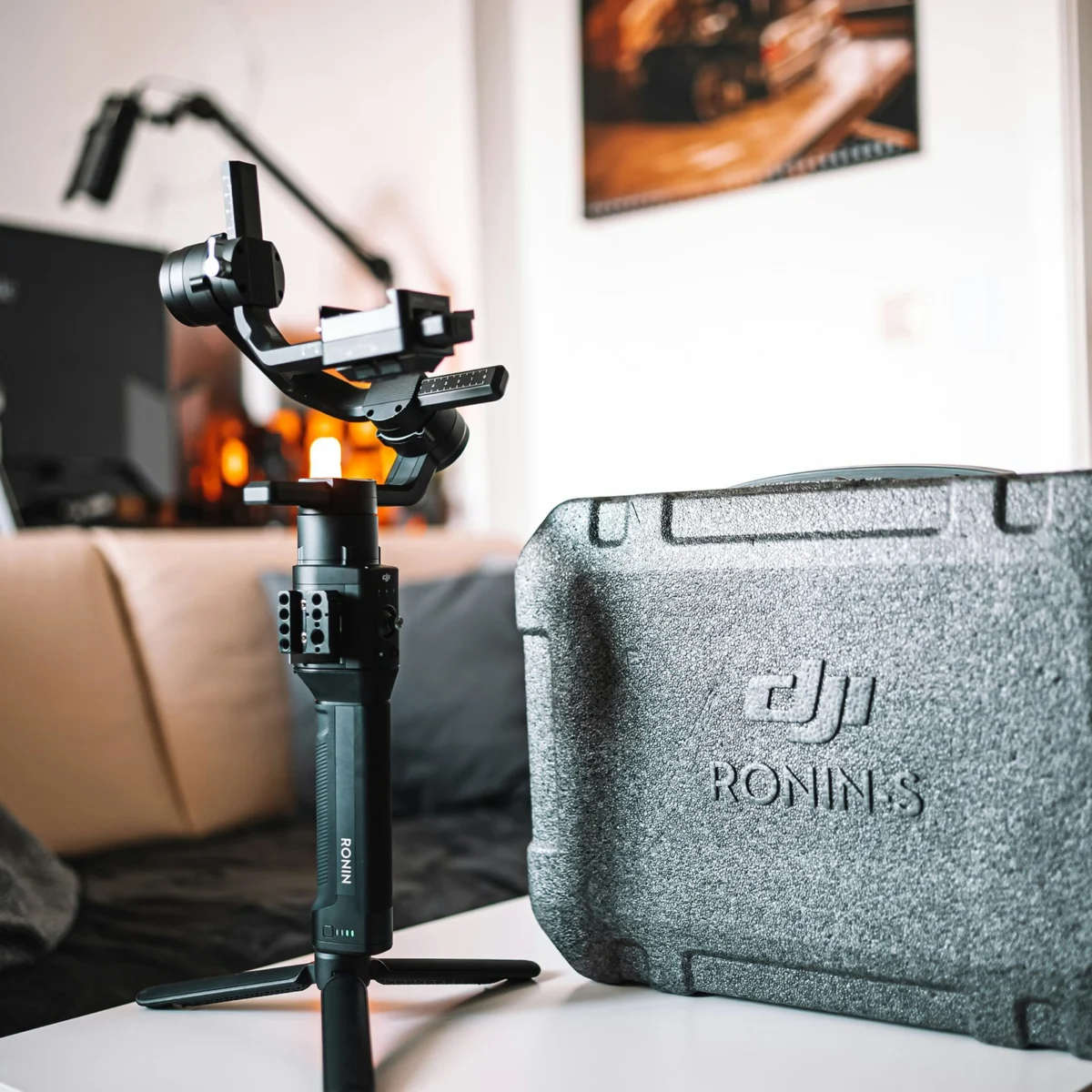
The production teams relied heavily on robust and versatile equipment capable of delivering this cinematic quality in a live environment. For instance, cameras like the RED Komodo-X 6K, known for its compact form factor, high resolution, and cinematic color science, were reportedly a primary choice. These were often paired with high-performance lenses such as the Canon RF 24-105mm f/2.8L IS USM Z, a versatile zoom lens that offers both cinematic qualities and the flexibility needed for dynamic sports coverage. On the production backend, systems like the BlackMagic Design HyperDeck Studio 4K Pro were essential for ingesting and recording the massive amounts of high-resolution data, while professional-grade connectivity, exemplified by Belden 12G-SDI BNC cables extending up to 150ft, ensured seamless data flow across the vast stadium infrastructure. Complementary gear, from camera cages for stability to an army of RED Micro-V Mount batteries for extended operation, underscored the complex logistical demands of such a high-stakes production.
Precision Officiating: Semi-Automated Offside Technology and Sensor Balls
Beyond the visual spectacle, the 2026 World Cup significantly advanced the precision of officiating through enhanced semi-automated offside technology (SAOT) and the integration of sensor-equipped match balls. These innovations aimed to reduce controversy, speed up decision-making, and provide greater transparency in critical moments.
The SAOT system, first introduced at the 2022 World Cup, saw further refinement. It relies on 12 dedicated tracking cameras, strategically positioned underneath the stadium roof, which track 29 data points on each player’s body and the ball at 50 frames per second. This sophisticated network of cameras, combined with artificial intelligence algorithms, can precisely determine the exact position of players and the ball at the moment of a pass. When a potential offside incident occurs, the system automatically reconstructs the play in a 3D space, generating a highly accurate and near-immediate 3D visualization for the VAR team. This visual data, often displayed on giant stadium screens and broadcast replays, offers unparalleled clarity and removes much of the ambiguity associated with traditional offside calls.
Complementing SAOT was the official match ball, which incorporated an inertial measurement unit (IMU) sensor. This sensor, discreetly placed within the ball, transmits data at 500 times per second, providing precise information on the ball’s speed, spin, and exact point of contact. This data is crucial for determining the exact moment the ball is played, a critical factor in offside decisions, and also for generating real-time statistics on shots, passes, and ball trajectory. The combination of SAOT and the sensor-equipped ball allowed for more interactive play deduction and replay options, giving fans deeper insight into the intricate mechanics of goals and contentious decisions. The system’s ability to offer near real-time playback with 3D visualizations significantly improved the speed and accuracy of officiating, minimizing delays and enhancing the flow of the game.
Broader Impact and Future Implications
The technological innovations showcased at the 2026 FIFA World Cup have profound implications for the future of sports broadcasting, fan engagement, and even the sport itself. The immediate benefits are evident: enhanced immersion for viewers, greater tactical clarity, and more accurate and transparent officiating. For broadcasters, these tools offer new avenues for storytelling and data visualization, creating a richer, more dynamic product. For coaches and analysts, the wealth of real-time data and diverse camera angles provides unprecedented resources for post-match review and strategic planning.
However, the rapid integration of technology into sports is not without its debates. While many fans embrace the enhanced insights and cinematic quality, a segment expresses concerns that it might detract from the "purity" or organic flow of the sport, arguing that excessive technology could over-analyze or even sanitize the game. There are also ongoing discussions about the balance between human judgment and automated systems in officiating, and the potential for technical glitches to impact high-stakes matches.
Despite these discussions, the trajectory is clear: technology will continue to find its way into all sporting events. The advancements seen at the 2026 World Cup are likely just a precursor to even more sophisticated integrations. Future developments might include more personalized viewing experiences, where fans can choose their preferred camera angles or access augmented reality overlays through their own devices. Virtual reality (VR) and mixed reality (MR) experiences could offer truly immersive stadium-like environments from anywhere in the world. The continuous evolution of AI will likely further refine officiating tools, data analytics, and even automated camera operations.
The 2026 FIFA World Cup served as a powerful testament to the transformative power of technology in sports. It demonstrated that innovation, when thoughtfully applied, can elevate the spectacle, deepen understanding, and connect fans to the game on an entirely new level, ensuring that the beautiful game remains at the forefront of global entertainment.