The intersection of urban street photography and inclement weather has long been a pursuit for fine art photographers seeking to capture the raw, evocative atmosphere of city life. While casual users often stow their mobile devices at the first sign of precipitation, professional practitioners and enthusiasts are increasingly recognizing that "bad" weather—comprising rain, snow, and fog—provides a unique set of aesthetic variables that are unattainable under clear skies. This shift in perspective is driven by the evolution of mobile camera technology, particularly the iPhone, which has democratized high-quality street photography and allowed artists to document the world in conditions that were previously considered prohibitive.
The Aesthetic Value of Adverse Weather in Urban Documentation
Street photography, by definition, relies on the spontaneous and the unposed. When weather conditions deteriorate, the urban environment undergoes a radical visual transformation. Pedestrians change their gait, the quality of light is diffused through moisture, and the city’s surfaces become reflective. These elements contribute to a more complex narrative within a single frame. According to industry data, mobile photography now accounts for over 90% of all digital images taken globally, and the rise of "weather-resistant" hardware, such as the IP68-rated iPhone models, has empowered photographers to venture into the elements without the fear of equipment failure that plagued earlier digital eras.
Methodologies for Rain-Based Composition
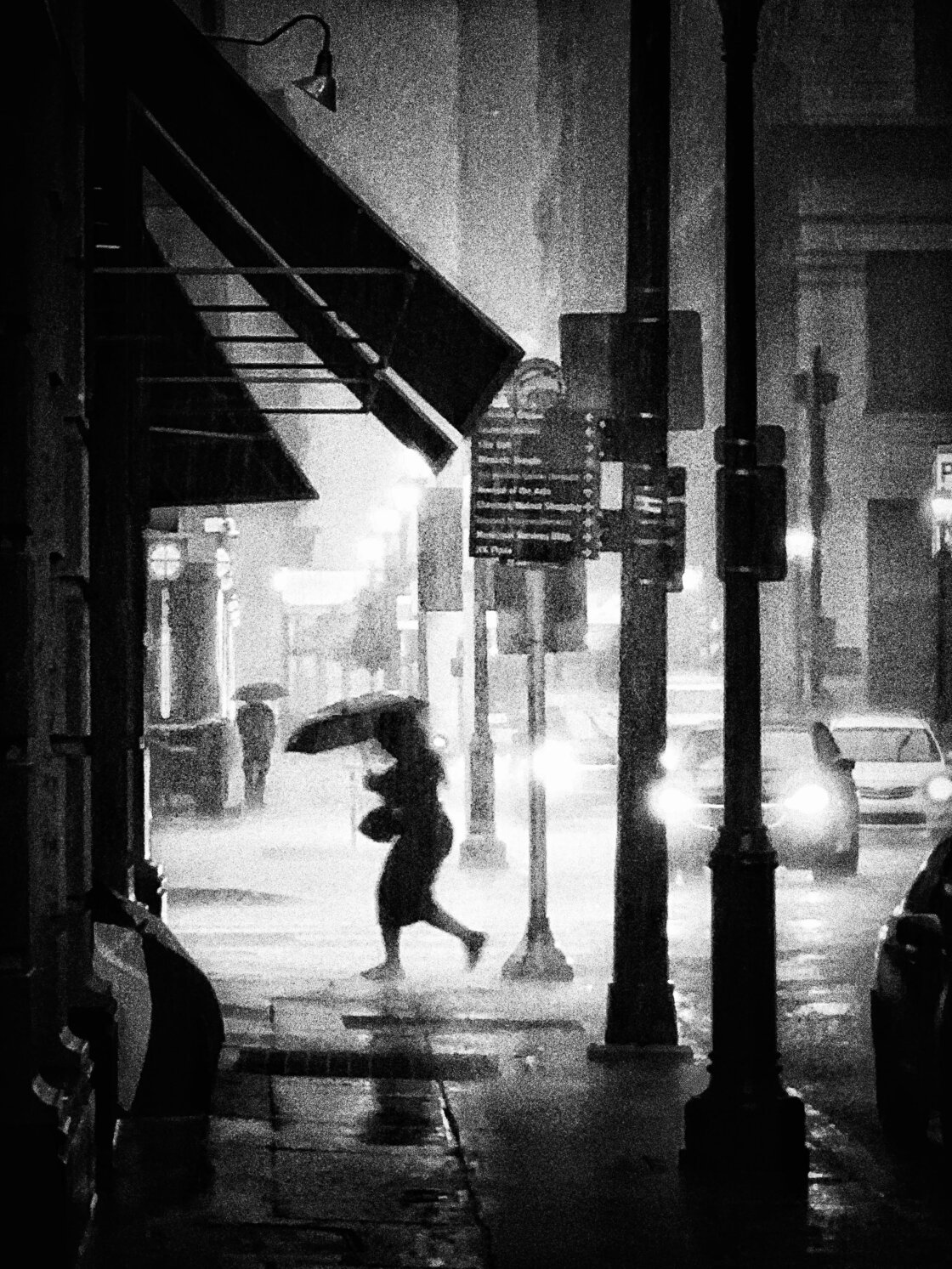
Rain serves as a catalyst for dynamic storytelling in a metropolitan setting. The primary advantage of shooting in the rain is the introduction of the umbrella as a compositional element. Umbrellas provide bold geometric shapes and vibrant color splashes that contrast against the often-muted tones of a wet city. From a journalistic perspective, these objects act as focal points that guide the viewer’s eye through the frame.
Photographers often employ a "fishing hole" strategy during rainstorms. This involves identifying a sheltered vantage point—such as a building awning, a bus stop, or a subway entrance—and waiting for subjects to enter a pre-composed scene. This method allows the photographer to remain dry while capturing the frantic or rhythmic movement of the city. Furthermore, the use of glass as a secondary lens is a sophisticated technique used to create abstract layers. Shooting through rain-slicked cafe windows or bus partitions allows the iPhone’s autofocus system to lock onto foreground droplets, naturally blurring the background into a bokeh of urban lights and shapes. This technique leverages the iPhone’s wide aperture capabilities to create a sense of depth and mystery.
The Mechanics of Reflection and Perspective
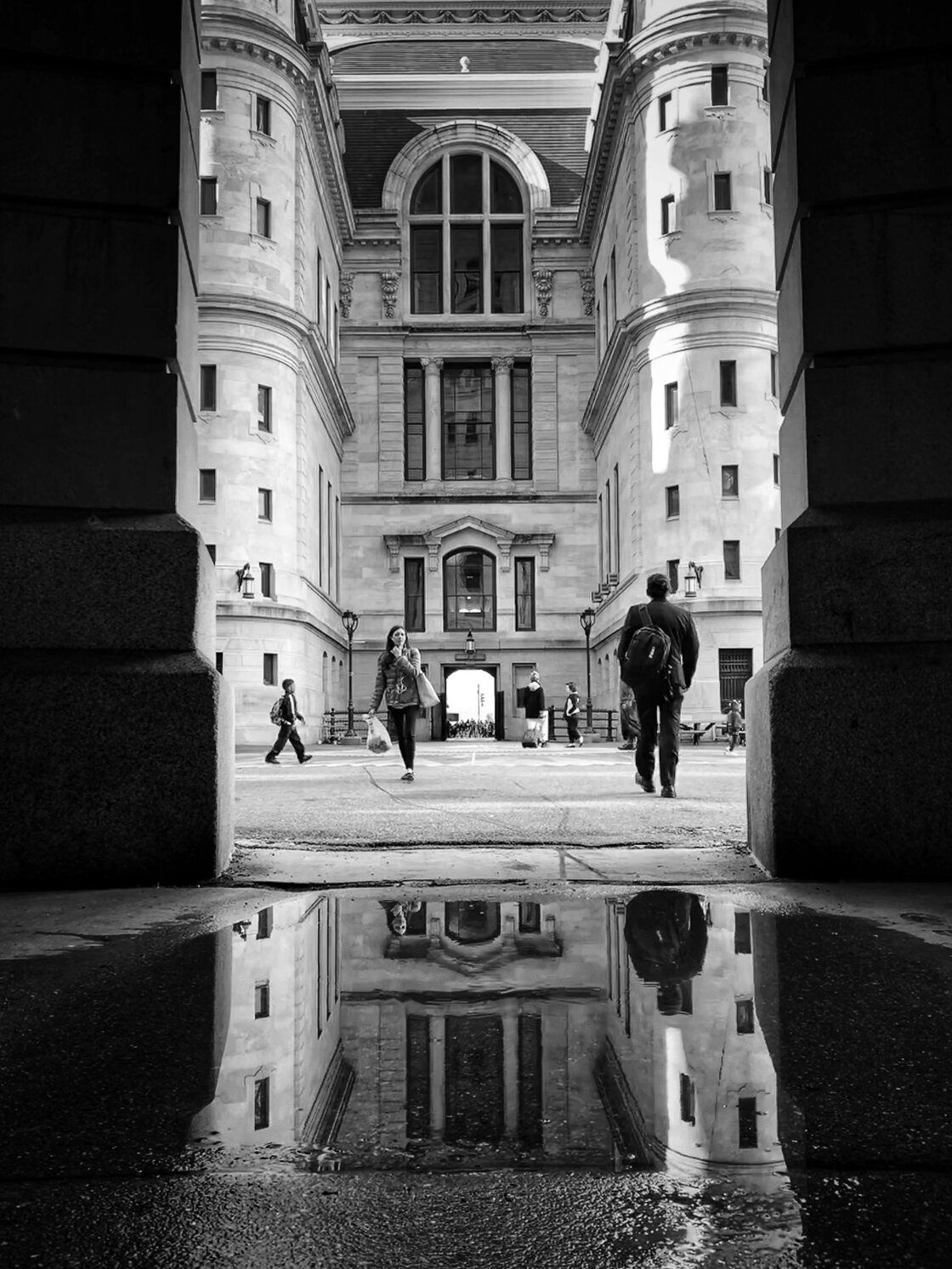
The conclusion of a rainstorm presents perhaps the most significant opportunity for street photographers: the puddle reflection. Puddles act as natural mirrors, offering a symmetrical view of the city’s architecture and its inhabitants. To execute these shots effectively, photographers often adopt a low-angle perspective, sometimes inverting the iPhone so that the lens is as close to the water’s surface as possible.
The technical execution of reflection photography often requires the use of Burst Mode. In a fast-moving urban environment, capturing the "decisive moment"—a term coined by photography pioneer Henri Cartier-Bresson—is statistically difficult with a single shutter press. By utilizing Burst Mode, which on modern iPhones is activated by sliding the shutter button or holding it down depending on the model, the device captures a rapid sequence of frames. This allows the photographer to select the precise millisecond when a subject’s stride is perfectly positioned within the reflection.
Following the capture, a common post-processing technique involves a 180-degree vertical flip of the image. This subverts the viewer’s expectations, placing the "reflected" world at the top of the frame and creating a surrealist interpretation of the urban landscape. This technique is frequently seen in contemporary fine art galleries and digital exhibitions, highlighting the versatility of mobile editing suites.
Technical Challenges and Opportunities in Snowy Environments
Snowfall transforms the familiar geometry of a city into a high-contrast environment. For the street photographer, snow acts as a natural "blanket" that simplifies busy backgrounds, allowing for cleaner compositions. However, snow presents a specific technical challenge regarding exposure. Most digital camera sensors, including those in the iPhone, are calibrated to "Middle Gray." When a frame is dominated by white snow, the camera’s internal light meter often compensates by underexposing the shot, resulting in gray, muddy-looking snow.
To counteract this, experienced iPhone photographers manually adjust the exposure slider. By tapping the screen to set the focus on a subject and swiping upward, the user can override the camera’s automatic settings to ensure the snow remains bright and white. This manual intervention is crucial for maintaining the "airy" or "ethereal" quality associated with winter photography.
Chronologically, the best time for snow photography is during the "active fall," where snowflakes are visible in the air. To make these flakes stand out, photographers seek out dark backgrounds—such as brick buildings, dark coats, or shadows under bridges. The contrast between the white flakes and the dark backdrop provides a sense of texture and motion that static, post-snowfall images often lack.
The Aesthetic Utility of Fog and Mist
Fog is perhaps the most sought-after condition for moody, atmospheric street photography. Meteorologically, fog acts as a massive softbox, scattering light and reducing the visible distance. This creates a natural sense of "depth decay," where objects in the distance gradually fade into a white or gray void.
In these conditions, the silhouette becomes the most powerful tool in the photographer’s arsenal. By positioning a subject against the bright, misty background and lowering the exposure, the photographer can reduce the subject to a dark outline. This removes identifying details, turning a specific person into a universal symbol of the "lone urban traveler." This style of photography relies heavily on "leading lines"—roads, railings, or rows of streetlights—that disappear into the fog, drawing the viewer’s subconscious into the unknown.
Post-Production: The Black-and-White Standard
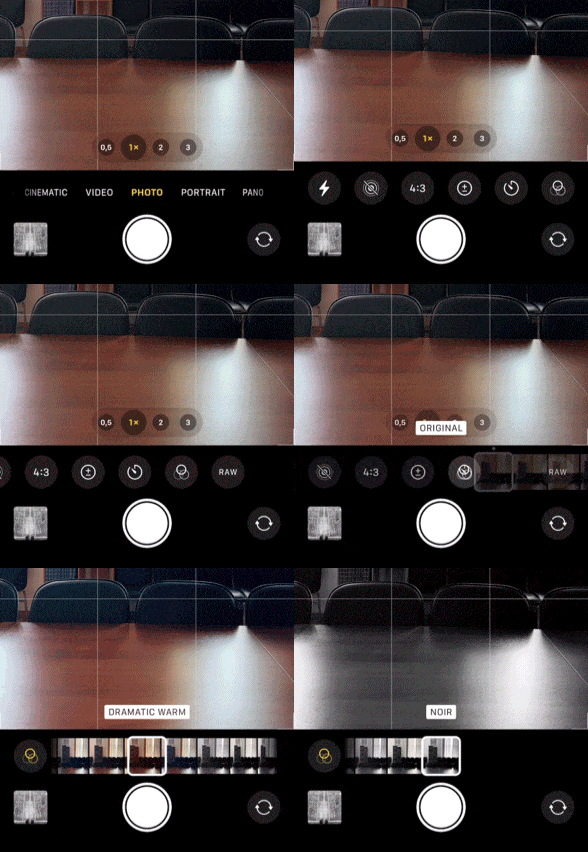
While color photography has its merits, many street photographers specializing in bad weather prefer to convert their work to black and white. This is not merely an aesthetic choice but a strategic one. Bad weather often results in "muddy" color palettes—gray skies, brown slush, and dull lighting. Converting to monochrome strips away these distracting, unappealing colors and forces the viewer to focus on tone, texture, and contrast.
The digital darkroom, accessible via apps such as Adobe Lightroom, Snapseed, or specialized monochrome tools like Blackie, allows for the manipulation of the "Zone System." Photographers look for areas of high contrast—such as a bright street lamp against a dark alleyway—to create "punchy" images. The goal is to achieve a wide range of tones, from deep blacks to crisp whites, which imbues the photo with a sense of drama and timelessness.
Profiles in the Field: The Philadelphia Influence
The techniques described are exemplified by the work of Andrew Gimblet, a fine art street photographer based in Philadelphia. Gimblet’s body of work focuses heavily on the "lone figure" motif, often captured during the city’s most inhospitable weather events. His methodology involves a deep study of Philadelphia’s architectural "fishing holes," where he uses the city’s historic bridges and narrow alleys to frame subjects against the elements.
Gimblet’s work has highlighted a growing trend in the art world: the acceptance of iPhone photography as a legitimate medium for fine art. By sharing his process on platforms like Instagram, Gimblet and his contemporaries have provided a blueprint for how mobile technology can be used to document the human condition in ways that traditional, bulky DSLR cameras might miss due to their conspicuousness.
Broader Impact and Implications for Contemporary Art
The democratization of high-quality photography through the iPhone has led to a significant increase in urban documentation. From a sociological standpoint, this means that the "mood" of cities during storms, blizzards, and fogs is being recorded with unprecedented frequency and detail.
The broader implications for the art market are notable. Digital platforms have allowed for the rapid dissemination of weather-based street photography, leading to a surge in interest for "moody" urban aesthetics. This has influenced everything from commercial advertising to film cinematography. The ability to capture professional-grade images in a rainstorm using a device that fits in a pocket has effectively removed the "barrier to entry" for aspiring artists, suggesting that the future of street photography is not only mobile but increasingly unbothered by the forecast.
In conclusion, "bad" weather should be viewed not as a hindrance but as a specialized tool for the urban photographer. By mastering the technical nuances of exposure, leveraging the unique geometry of umbrellas and reflections, and embracing the atmospheric qualities of fog and snow, iPhone photographers can produce work that is both narratively rich and visually stunning. As the technology continues to advance, the line between traditional professional equipment and the smartphone in one’s pocket continues to blur, proving that the best camera is indeed the one that is with you—regardless of the storm.